
Basic Safety and Security Training
Gain professional competence through personal safety, fire fighting, first aid and survival training that forms the basis of safe work at sea.
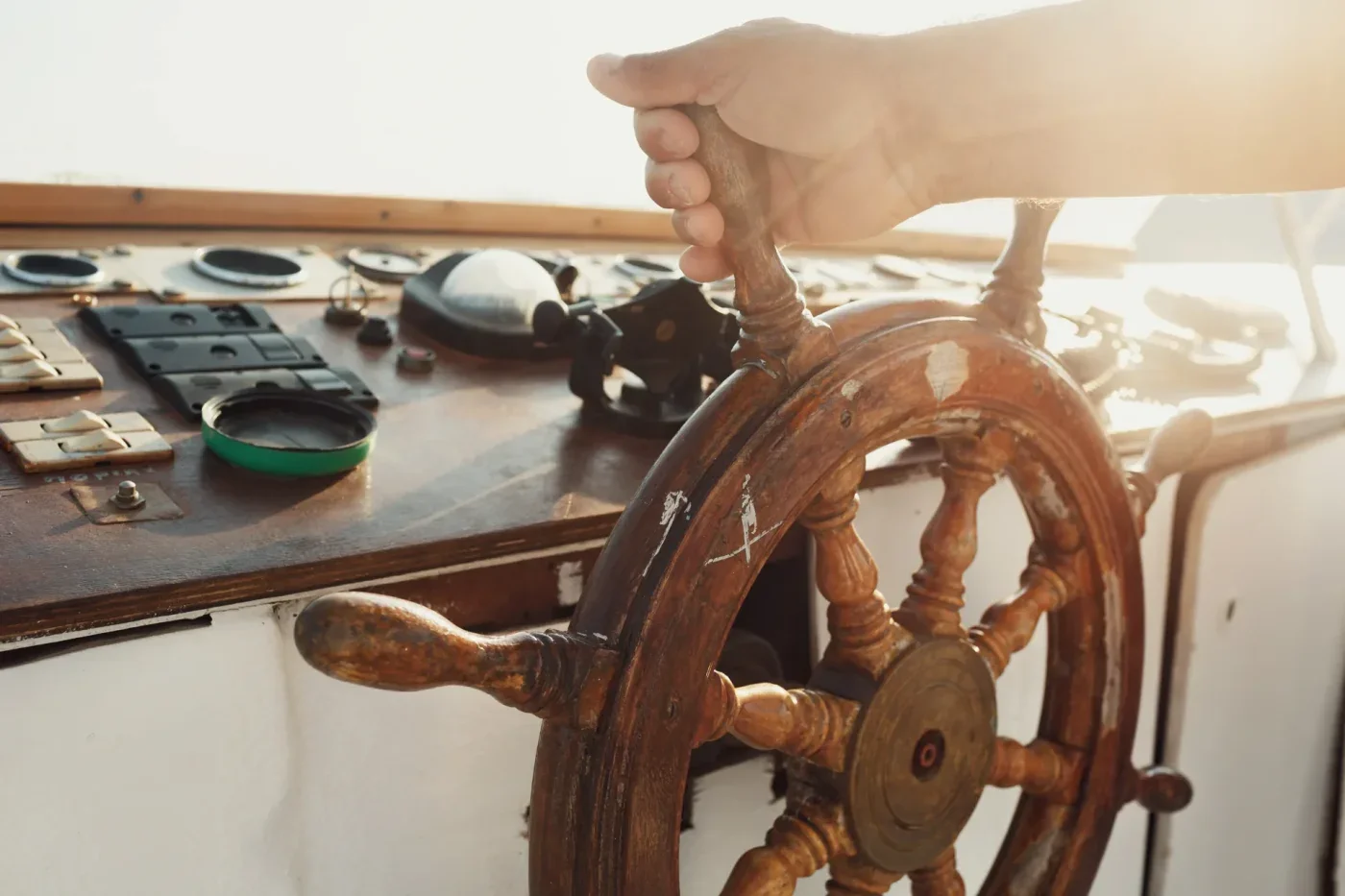
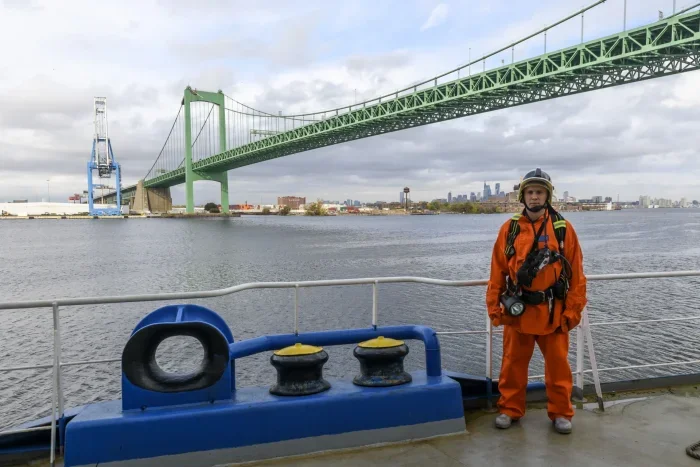

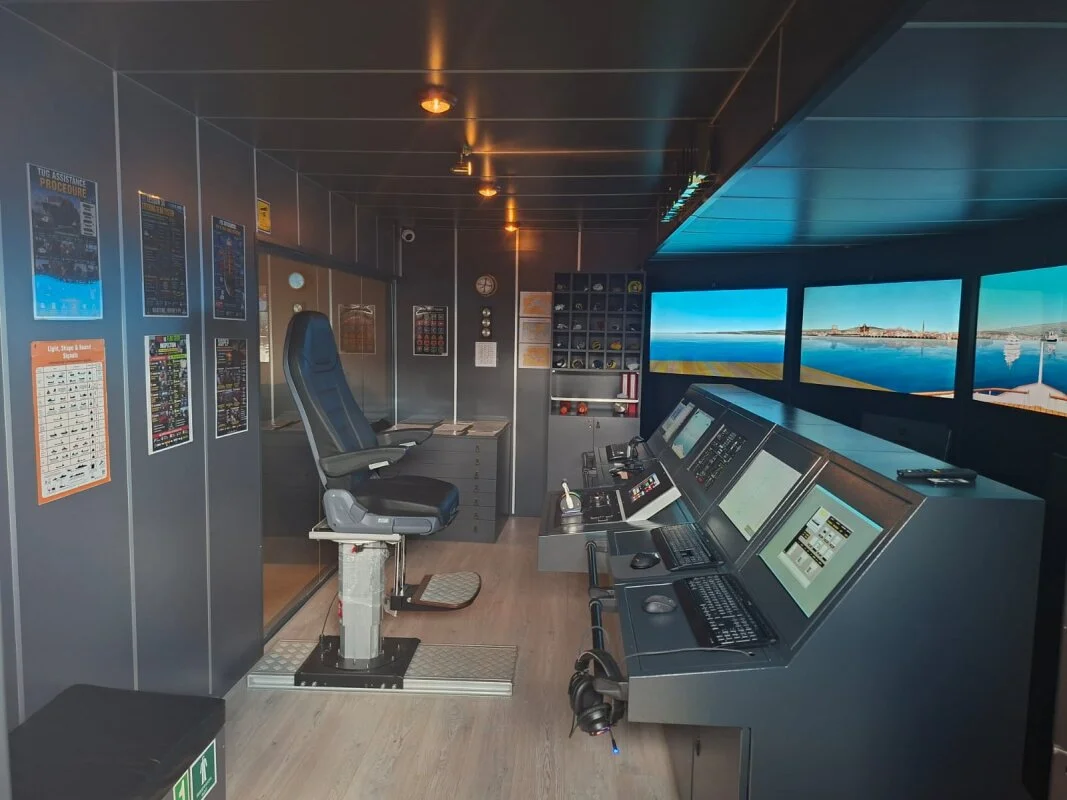
Gain professional competence through personal safety, fire fighting, first aid and survival training that forms the basis of safe work at sea.
Able seafarer deck is a deck rating competency involving deck work on ships and, where necessary, participation in navigational watches and steering under the supervision of an officer of the watch. It is a rank attained by promotion from ordinary seaman.
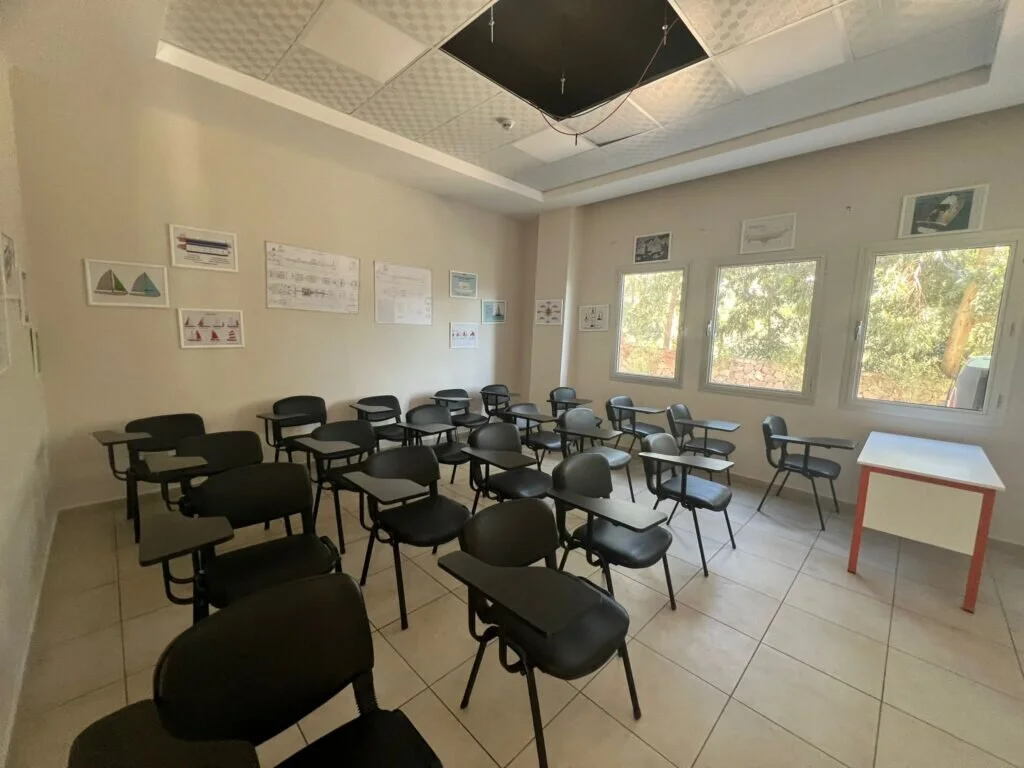
This programme is for those who meet the qualifications specified in the Seafarers Regulation and are required to complete Medical Care and First Aid Training. It aims to ensure that, before serving on any ship as a master, chief mate or officer, they acquire the minimum standards of competence for the functions, duties and responsibilities listed in Regulation VI/4, Code A-VI/4 and Tables A-VI/4-1 and A-VI/4-2 of the STCW Convention...
An electro-technical rating is an engine rating competency involving assistance to the electro-technical officer in the operation, maintenance and upkeep of a ship's electrical and electronic systems on automated ships.
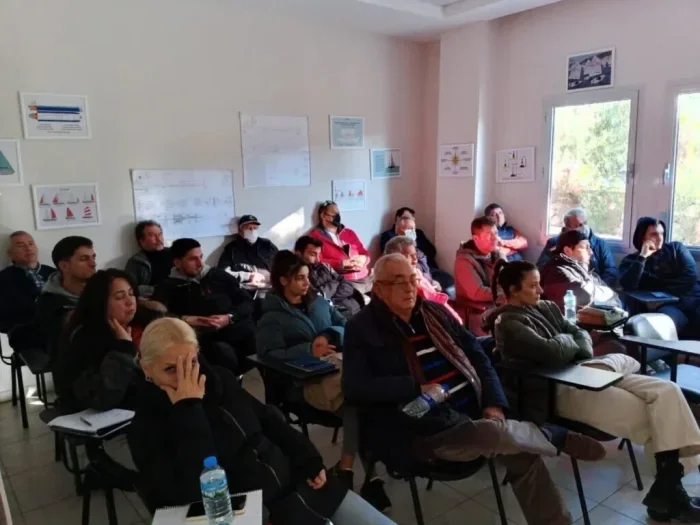
The ISPS (International Ship and Port Facility Security) Code requires a Ship Security Officer for each ship and a Company Security Officer for the company. This course is designed specifically for Ship Security Officers.
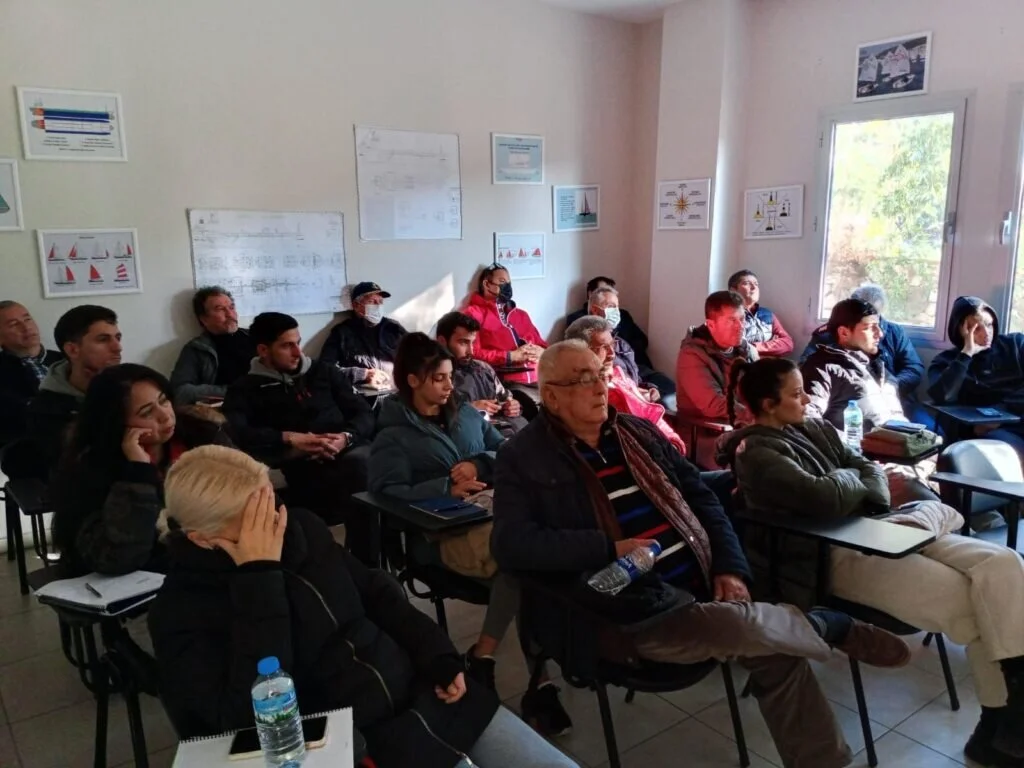
The Global Maritime Distress and Safety System (GMDSS) is installed on all ships subject to the SOLAS Convention. Deck radio officers must obtain this competency in addition to their navigational duties in order to operate these systems and take part in emergency and search and rescue operations.
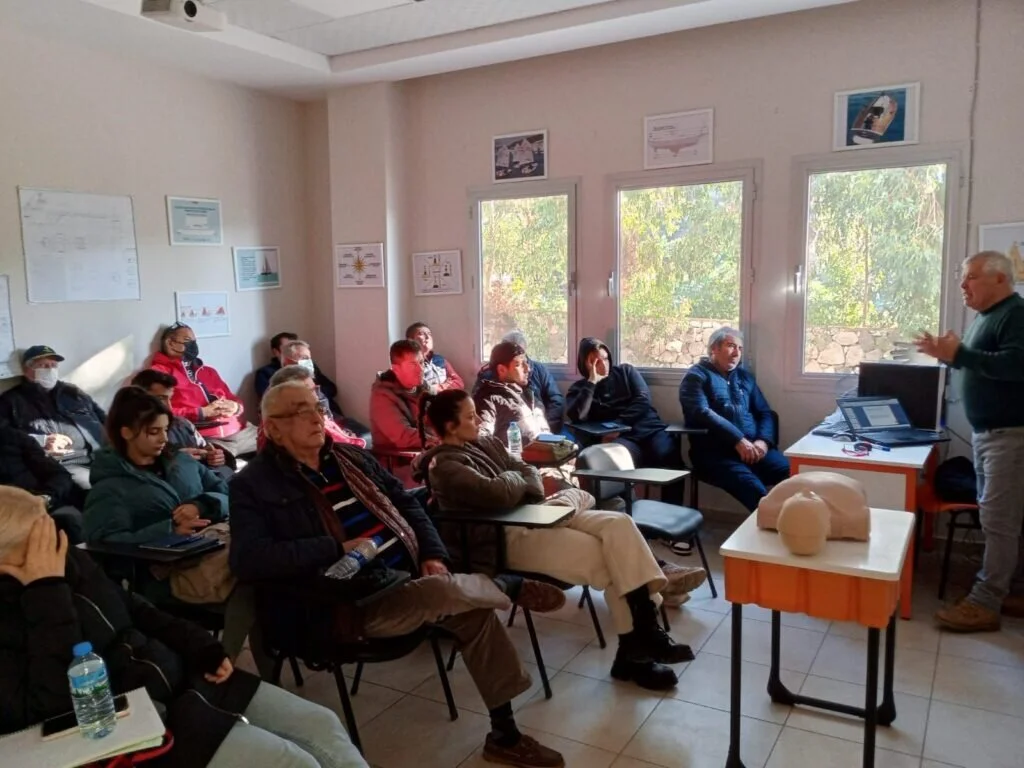
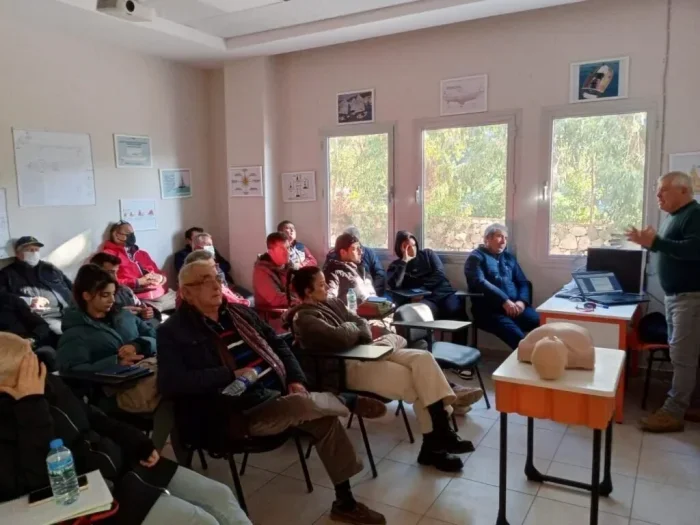
Those who cannot document three (3) months of sea service during the last six (6) months before their certificates expire, or who have not completed at least twelve (12) months of sea service during the last sixty (60) months,
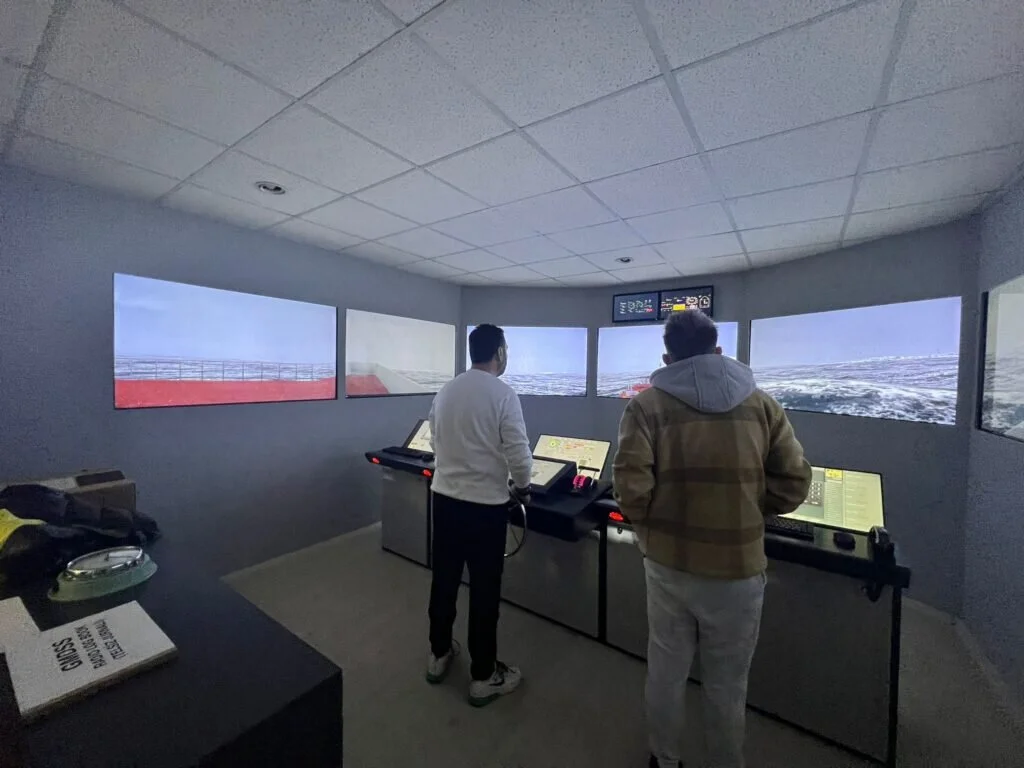
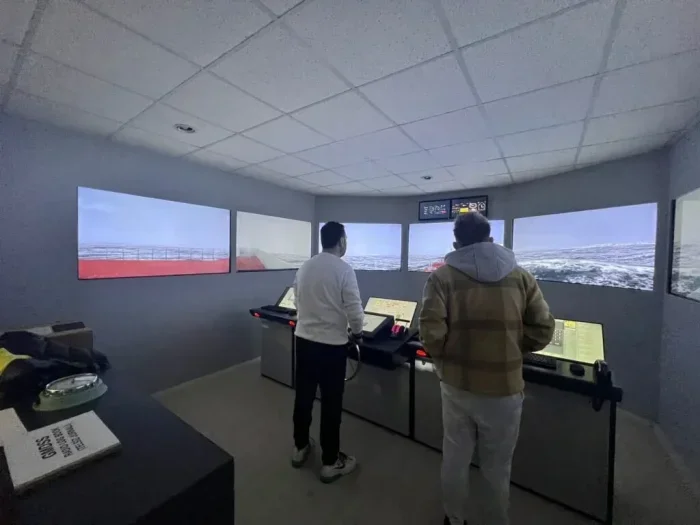
The Global Maritime Distress and Safety System (GMDSS) is installed on all ships subject to the SOLAS Convention. Deck radio officers must obtain this competency in addition to their navigational duties in order to operate communication systems and take part in emergency and search and rescue operations on ships equipped for Sea Area A1 (voyages no more than 25 miles from the coast).
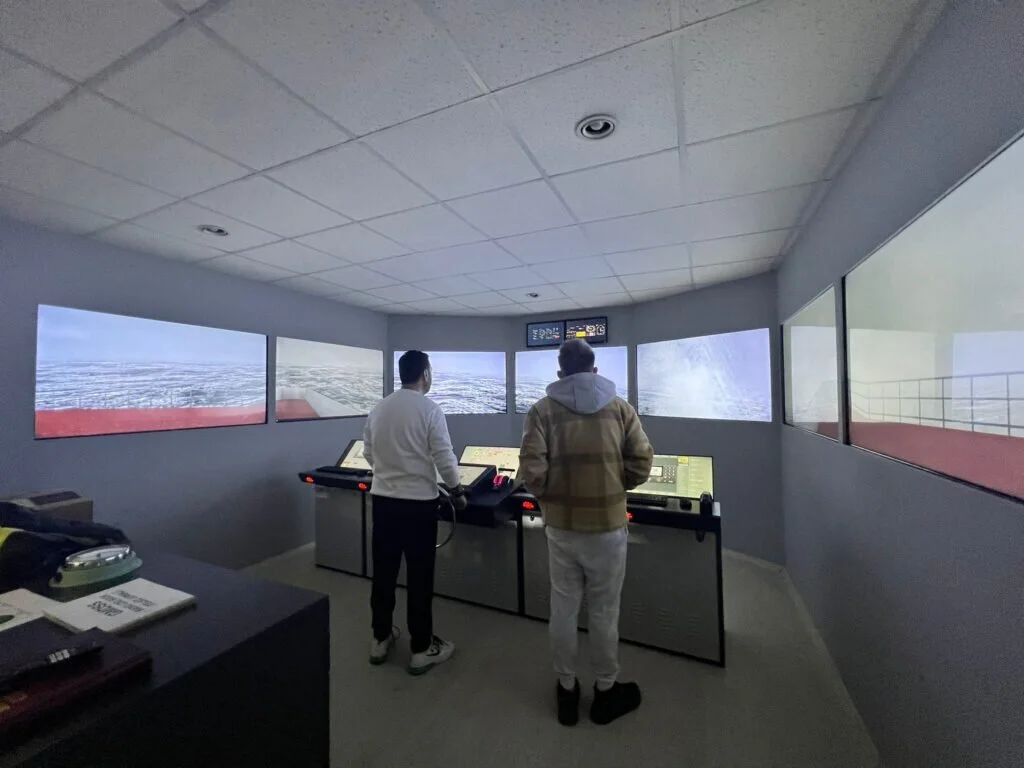
Those who cannot document three (3) months of sea service during the last six (6) months before their certificates expire, or who have not completed at least twelve (12) months of sea service during the last sixty (60) months,
This is mandatory training for all seafarers who will serve on fast rescue boats. It is intended to enable them to perform the functions, duties and responsibilities defined in Regulation VI/2, Section A-VI/2 and Table A-VI/2-2 of the STCW 78 Convention.
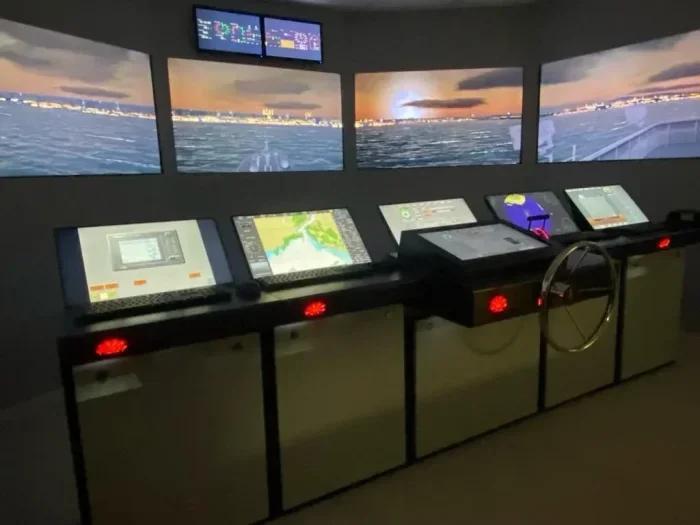
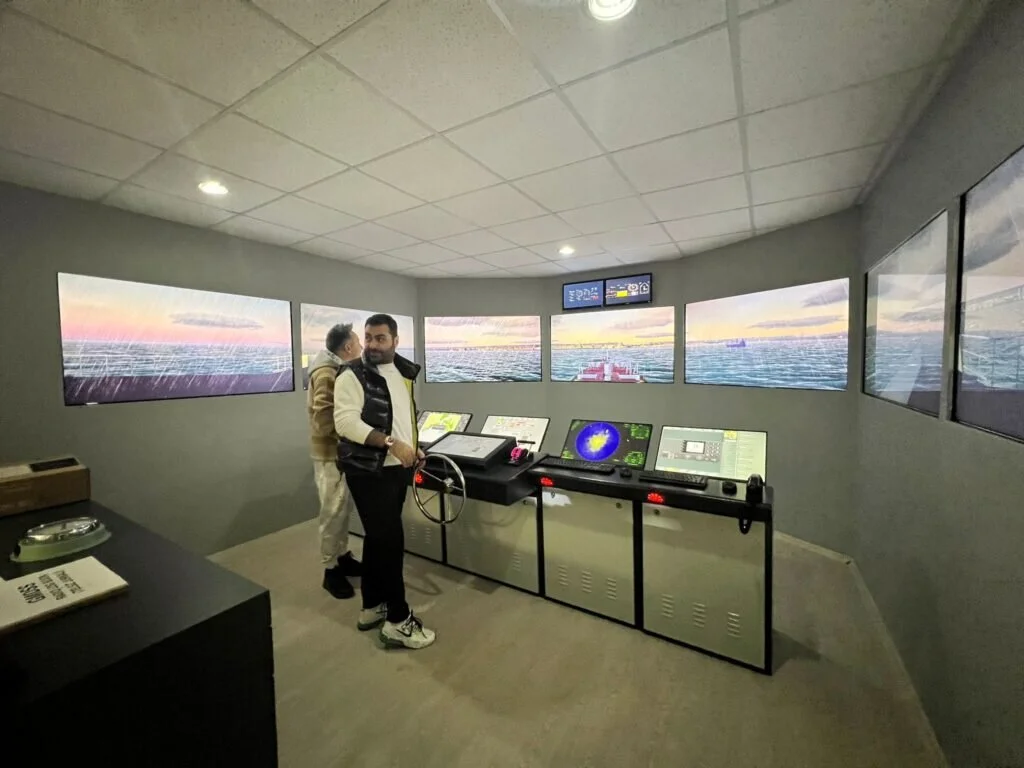
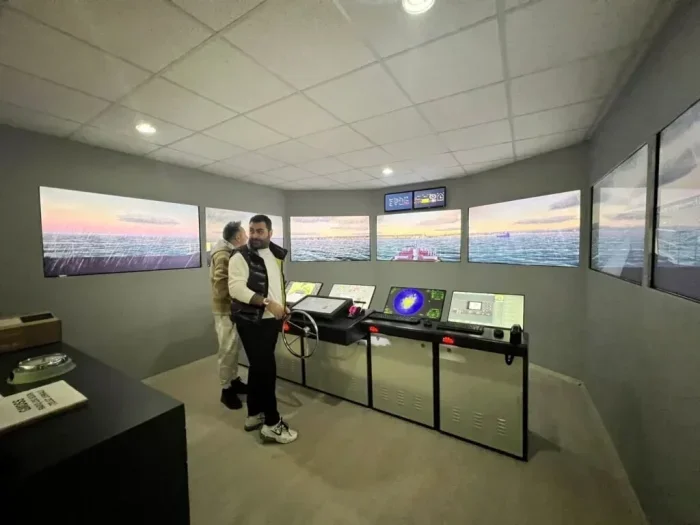
Under the STCW Convention, all ship officers and seafarers involved in cargo operations on chemical tankers must complete basic tanker cargo operations training and have it entered in their seafarer's book.
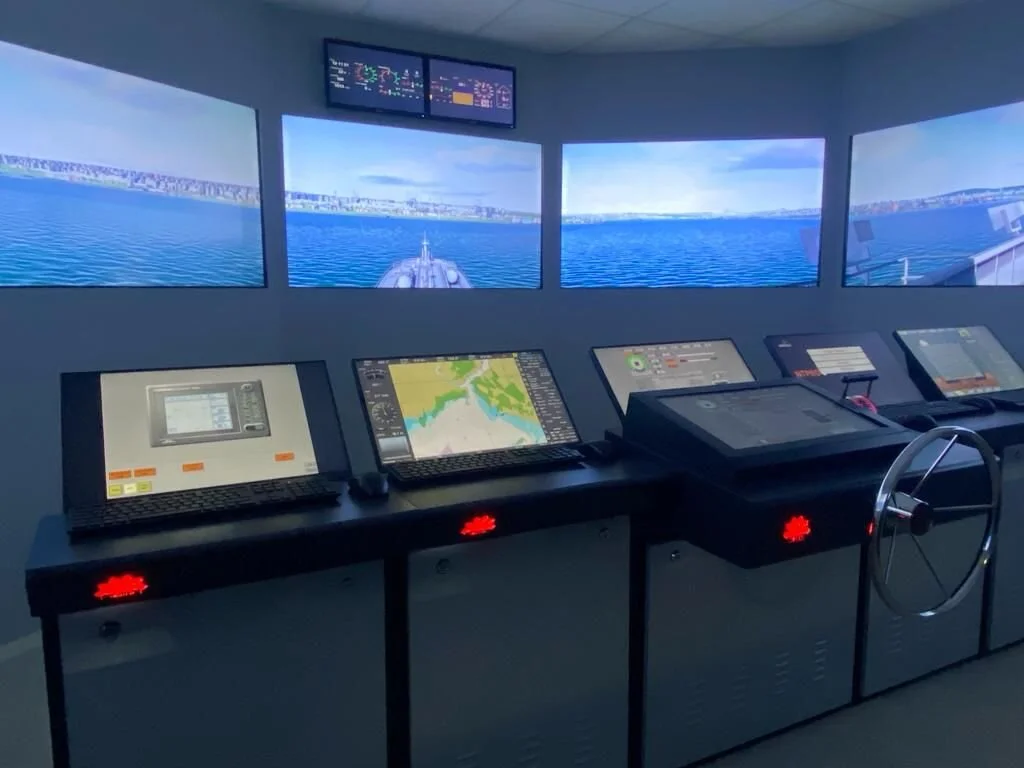
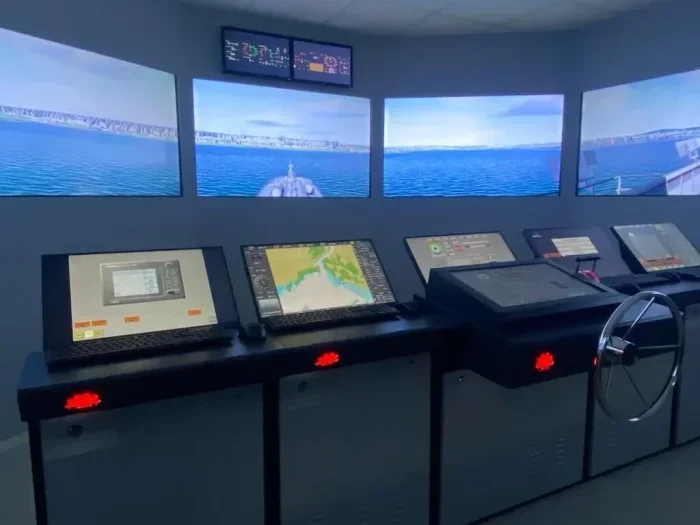
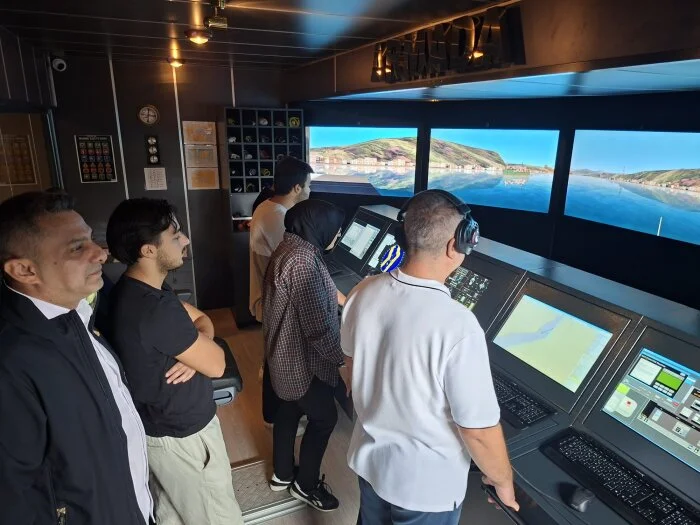
Deck officers and masters must complete Bridge Resource Management (BRM) courses and have their certificates entered in their seafarer's books.
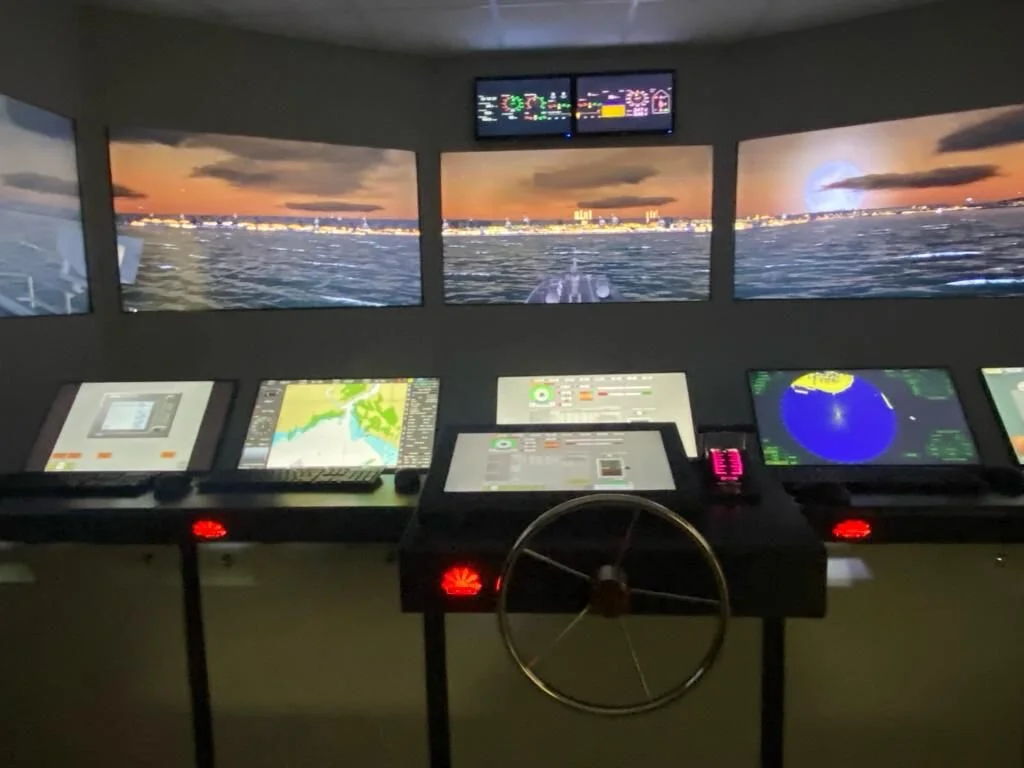
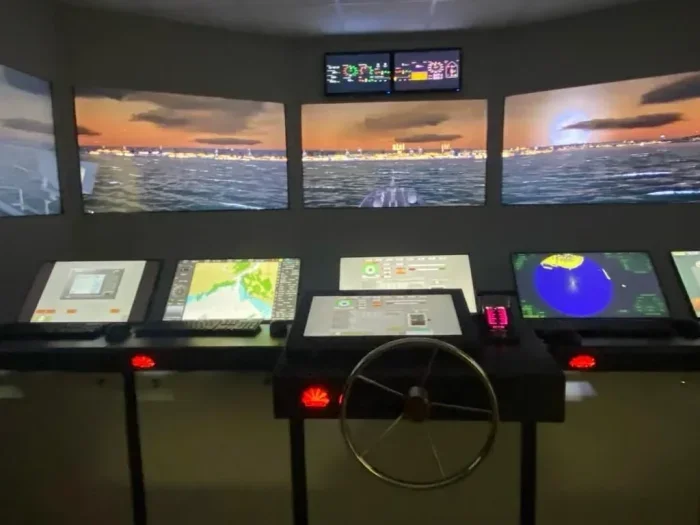
Engineer officers and chief engineers must complete Engine-room Resource Management (ERM) courses and have their certificates entered in their seafarer's books.
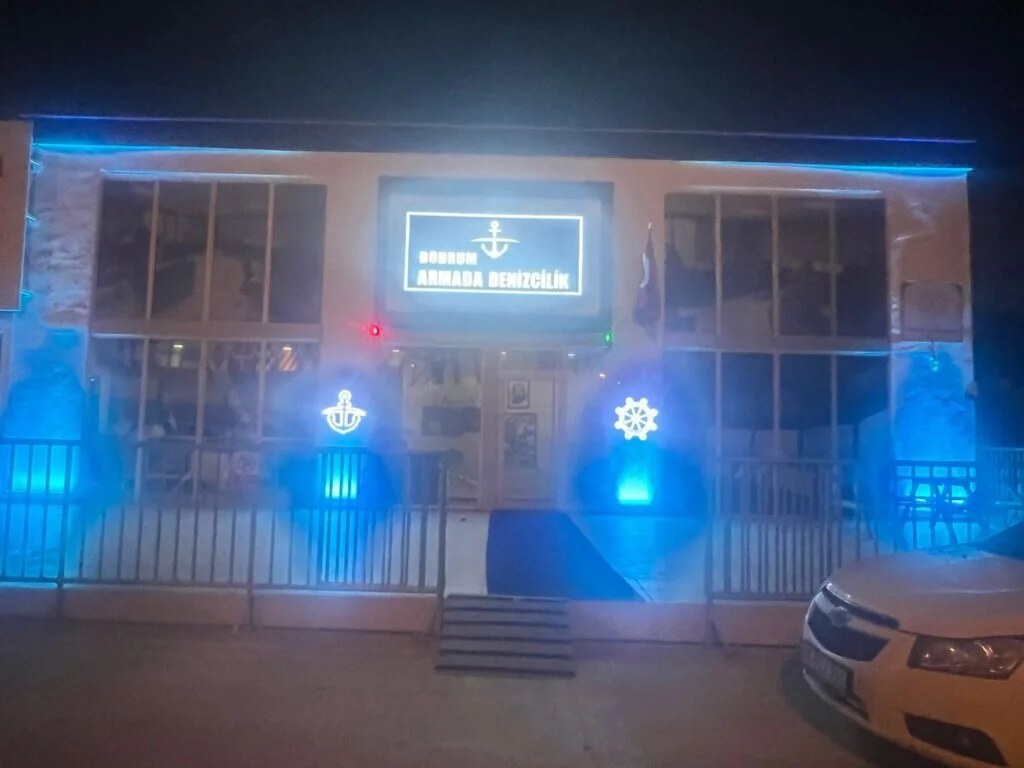
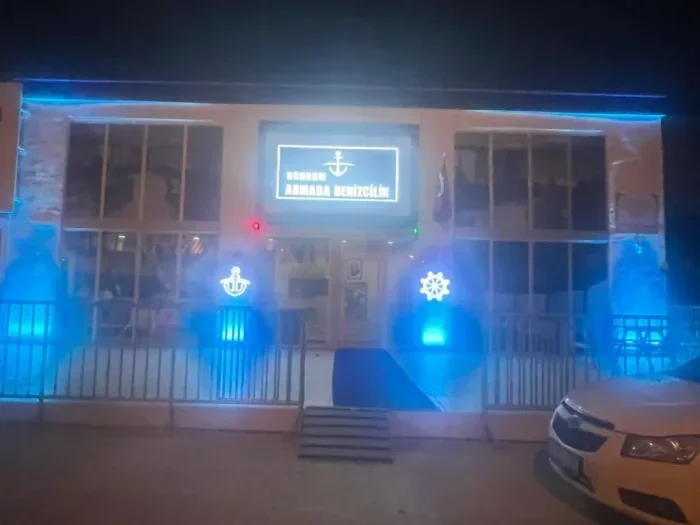
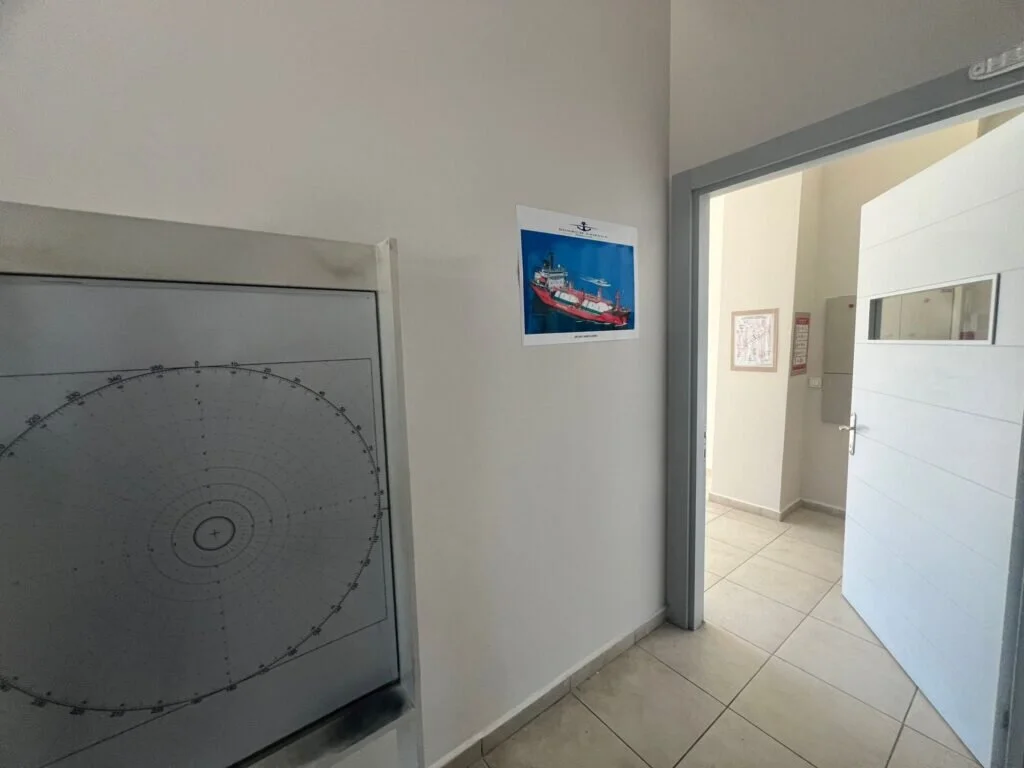
AUTOMATIC RADAR PLOTTING AIDS (ARPA) TRAINING
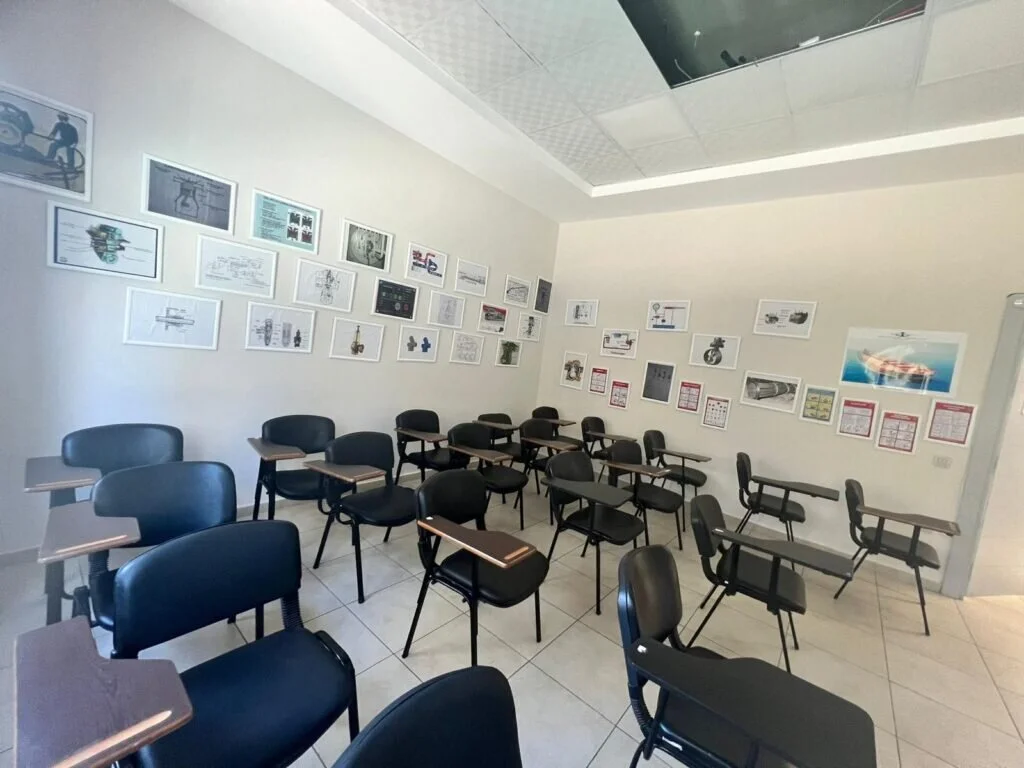
Under the STCW Convention, all ship officers and seafarers involved in cargo operations on oil tankers must complete basic tanker cargo operations training and have it entered in their seafarer's book.
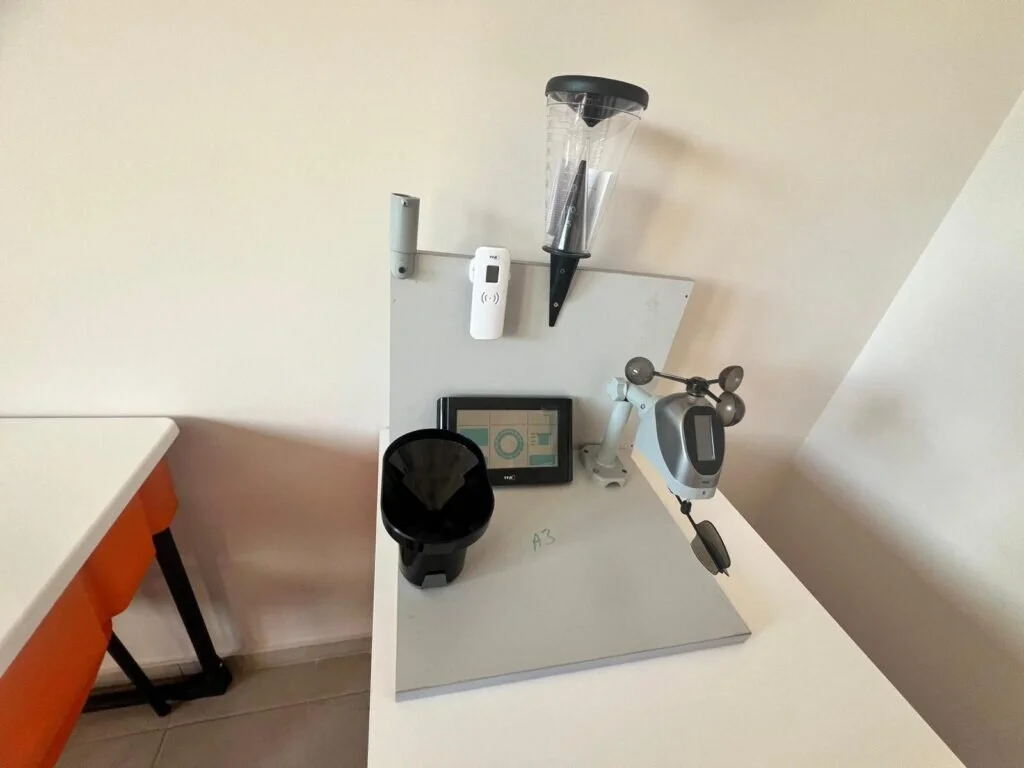

Under the STCW 2010 Manila Amendments, all seafarers serving on liquefied gas tankers must complete basic tanker cargo operations training and have it entered in their seafarer's book.
The ISPS (International Ship and Port Facility Security) Code requires a Ship Security Officer for each ship and a Company Security Officer for the company. This course is designed specifically for Company Security Officers.
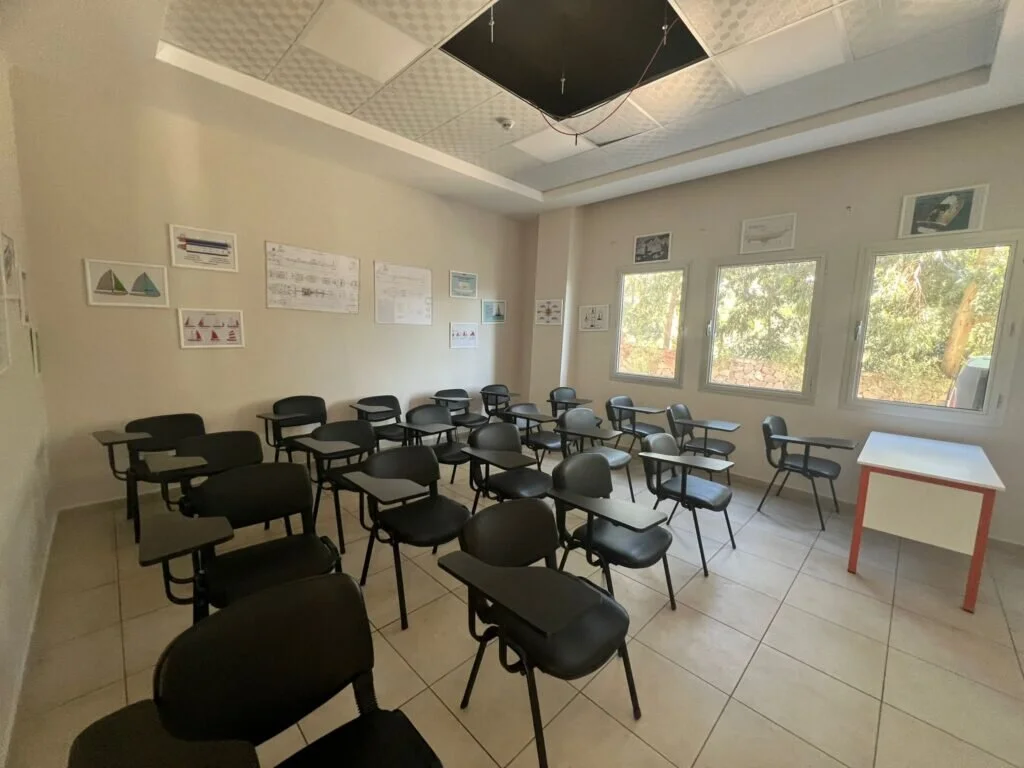
Seafarers serving as masters and chief mates must complete the medical care training required by Regulation VI/4 of the STCW Convention so that they can take prompt and effective action in the event of an accident or illness on board.
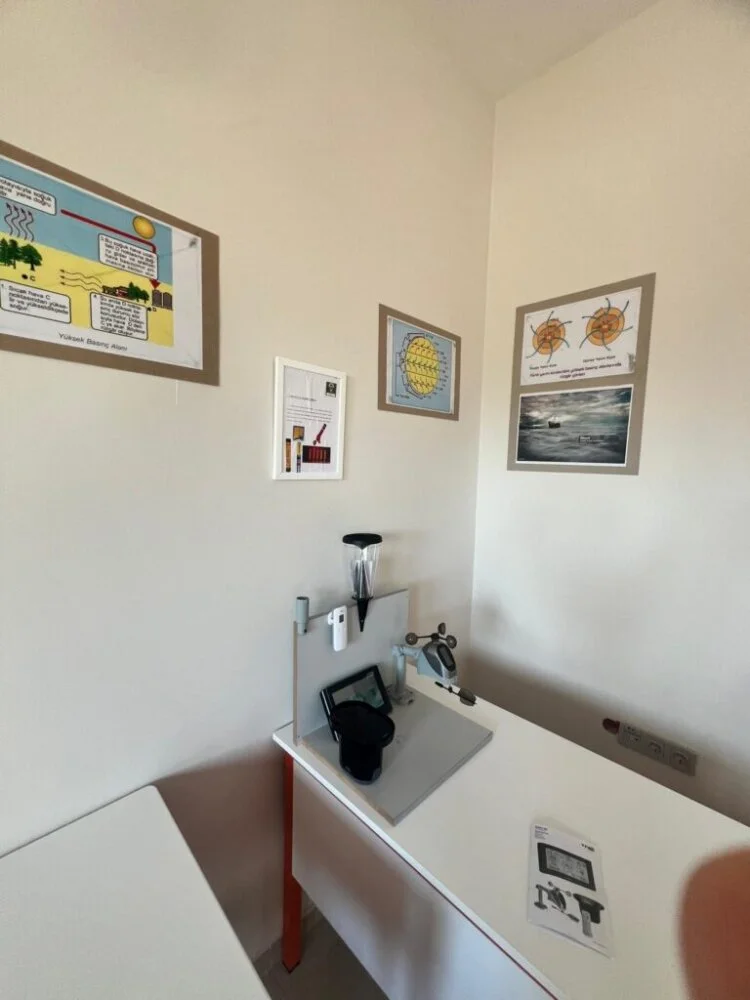
As stated in Article 21 of the Seafarers Regulation, first aid training is mandatory for all officers under Regulation VI/4 of the STCW Convention and Section A-VI/4 of the Code. Since first aid training is required for all officers in addition to the basic STCW certificates, all deck officers may attend these training programmes.
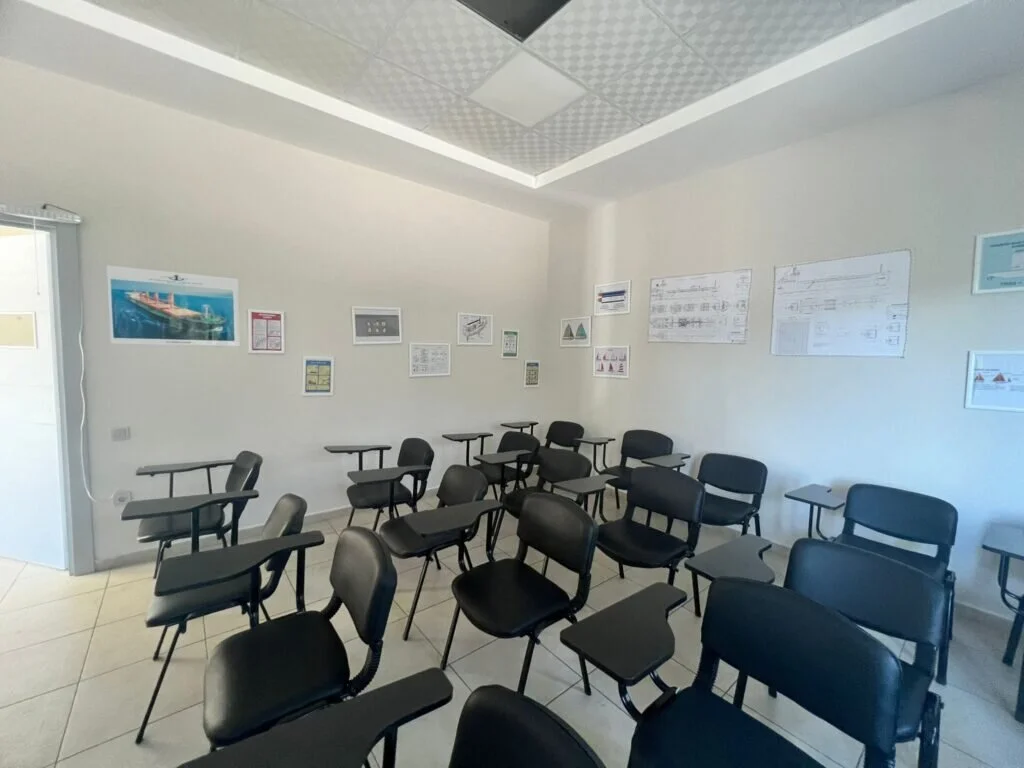
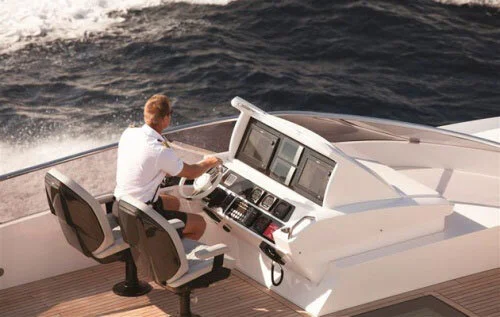
The Yacht Captain 149 GT certificate of competency authorises the holder to command commercial yachts of less than 150 GT. Holders may serve as captains on commercial and private yachts. Our course covers navigation, meteorology, seamanship, basic maritime safety and boat engines, and includes practical sailing, powered manoeuvring and navigation on board a boat.
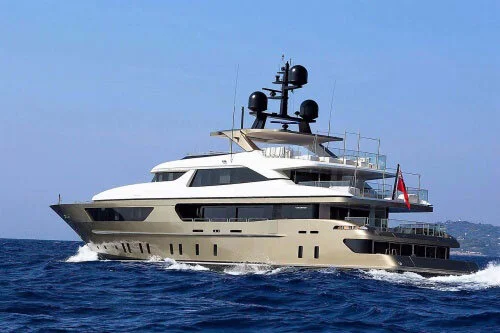
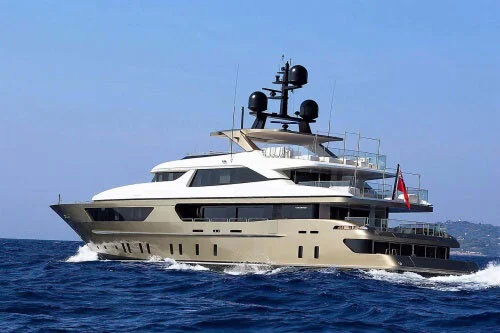
The Yacht Captain 499 GT certificate of competency authorises the holder to command commercial yachts of less than 500 GT. Holders may serve as captains on commercial and private yachts. Our course covers navigation, meteorology, seamanship, basic maritime safety, maritime law and boat engines, and includes 24 hours of practical sailing, powered manoeuvring and navigation on board a boat.
a - This programme is designed to provide engineer officers with knowledge, understanding and skills relating to high-voltage circuits when operating electrical and electronic control systems in the performance of the operational and management level functions, duties and responsibilities listed in the first column of Regulation III-2, Code A-III/2 and Table A-III/2, and Regulation III-1, Code A-III/1 and Table A-II/1 of the STCW 78 Convention.
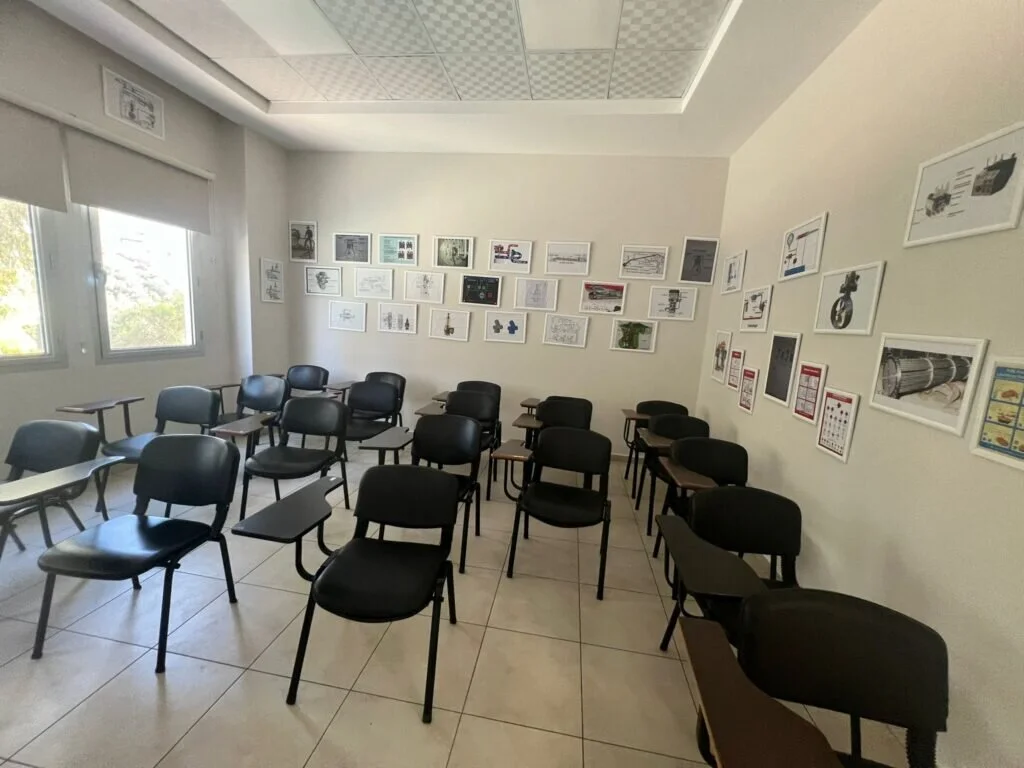
This is a certificate required for deck officers and masters under the STCW 2010 amendments.
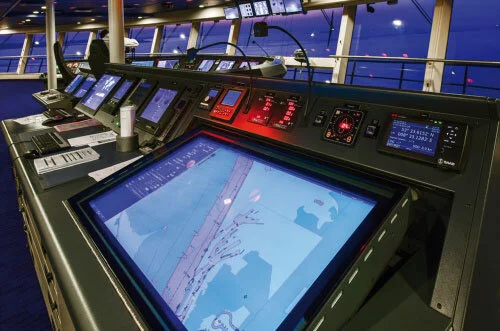
Maritime Safety Refresher Training lasts 5 days and, according to the previous schedule, starts every Monday.

Under the STCW Convention and Seafarers Regulation, all seafarers serving on ships must complete Security Familiarisation and Security Awareness Training. Those assigned designated security duties must additionally complete Training for Seafarers with Designated Security Duties. Our Combined Security Duties course brings all three requirements together in one programme.
Ordinary seaman is a deck rating competency involving deck work on ships and, where necessary, participation in navigational watches and steering under the supervision of an officer of the watch.
Oiler is an engine rating competency involving standing watch in the engine room alongside the engineering officer of the watch and assisting with the operation, maintenance and upkeep of machinery during the watch.
Able seafarer engine is an engine rating competency involving standing watch in the engine room alongside the engineering officer of the watch and assisting with the operation, maintenance and upkeep of machinery during the watch. It is a rank attained by promotion from oiler.
Under the STCW 2010 Manila Amendments, all seafarers serving on oil and chemical tankers must complete basic tanker cargo operations training and have it entered in their seafarer's book.
An officer of the watch is responsible to the master for navigational and port watches, supervision and control of loading and unloading operations, and ship safety duties on vessels of less than 3000 GT. With the required periods of sea service, officers of the watch may progress to chief mate and master.
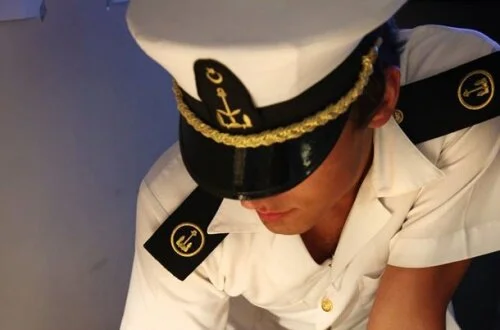
An engineer officer is an engineering seafarer who stands watch in the engine room on ships with propulsion power up to 3000 kW and is responsible to the chief engineer for the operation, maintenance and upkeep of the ship's machinery and technical equipment.
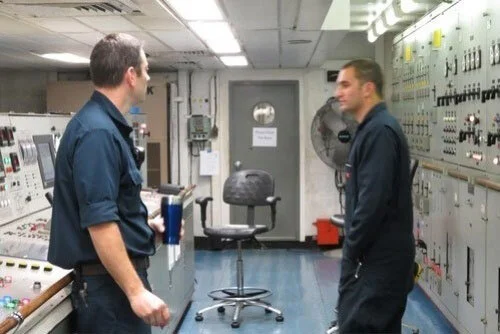
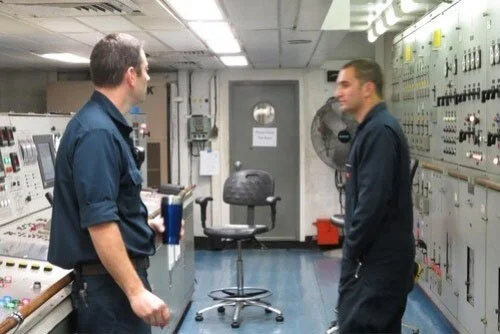
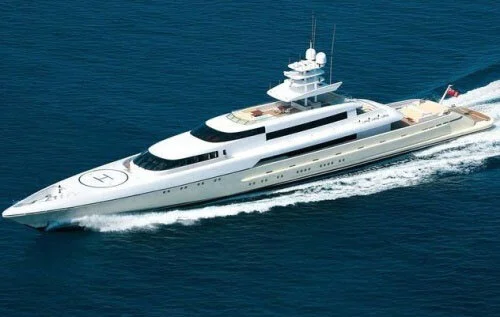
The Yacht Captain 2999 GT certificate of competency authorises the holder to command commercial yachts of less than 3000 GT. Holders may serve as captains on commercial and private yachts. Our course covers navigation, meteorology, seamanship, basic maritime safety, maritime law, maritime English and boat engines.
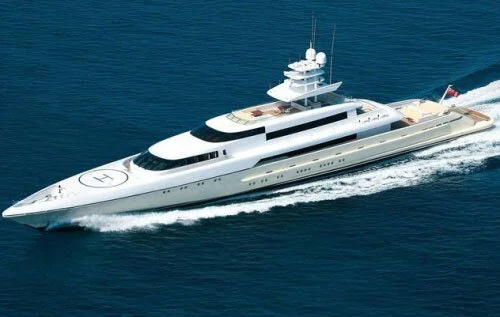
Holders of master, chief mate, oceangoing chief mate or oceangoing master certificates of competency must complete Deck Management Level Competency Renewal Training to renew their expired competencies.
Holders of second engineer, chief engineer, oceangoing second engineer or oceangoing chief engineer certificates of competency must complete Engine Management Level Competency Renewal Training to renew their expired competencies.
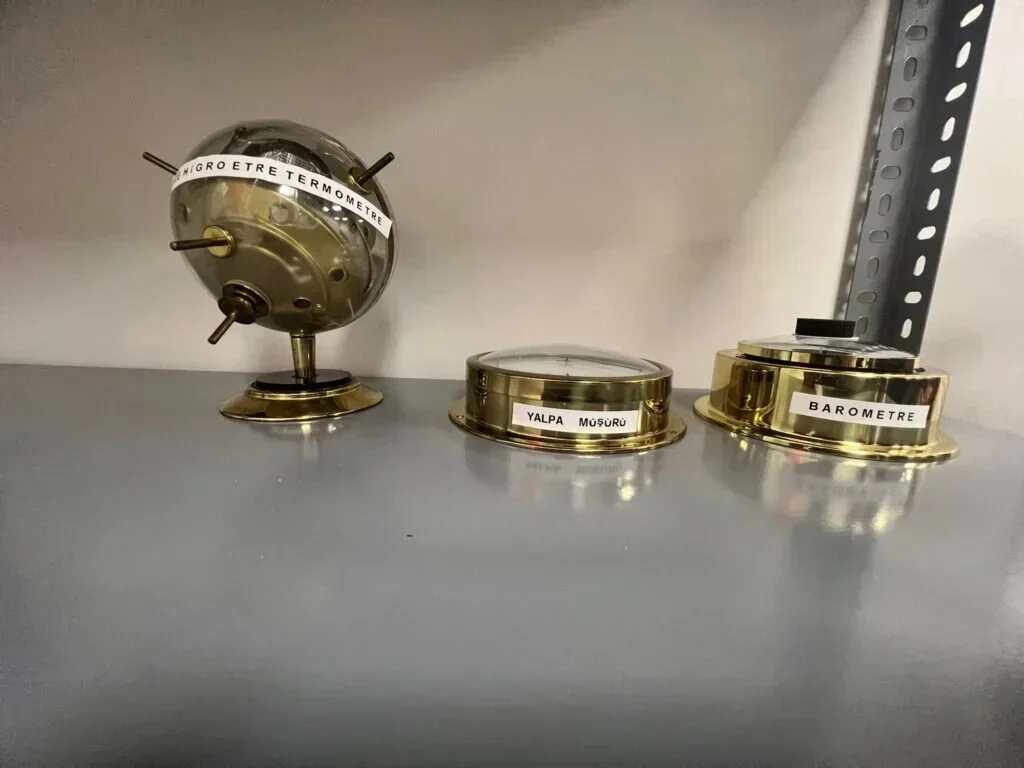
Holders of officer of the watch or oceangoing officer of the watch certificates of competency must complete Deck Operational Level Competency Renewal Training to renew their expired competencies.
Holders of engineer officer or oceangoing engineering officer of the watch certificates of competency must complete Engine Operational Level Competency Renewal Training to renew their expired competencies.
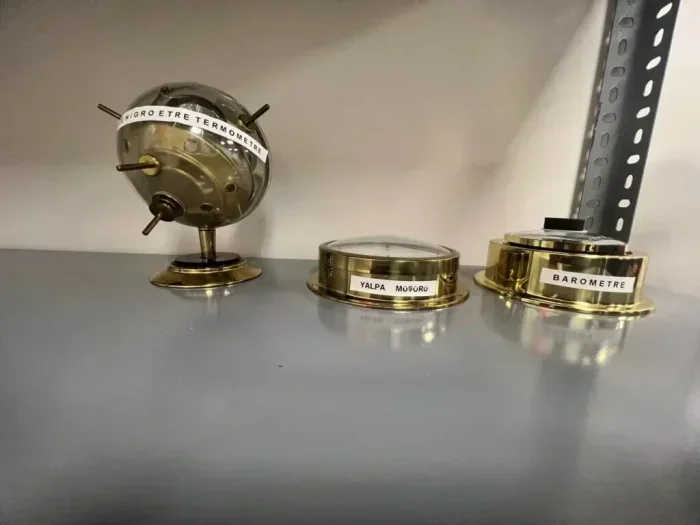
Under the STCW Convention, all ship officers and seafarers involved in cargo operations on liquefied gas tankers must complete basic tanker cargo operations training and have it entered in their seafarer's book.
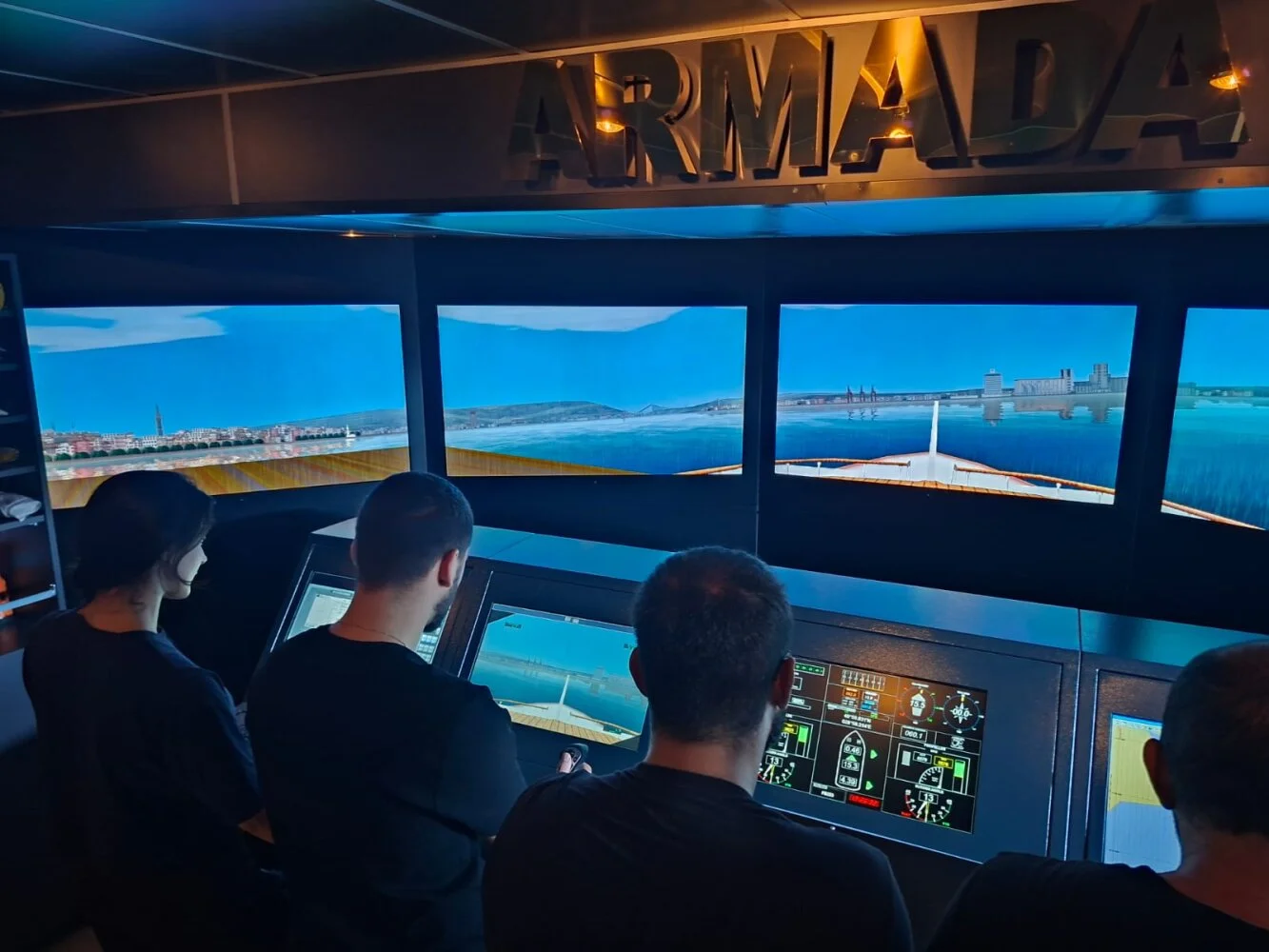
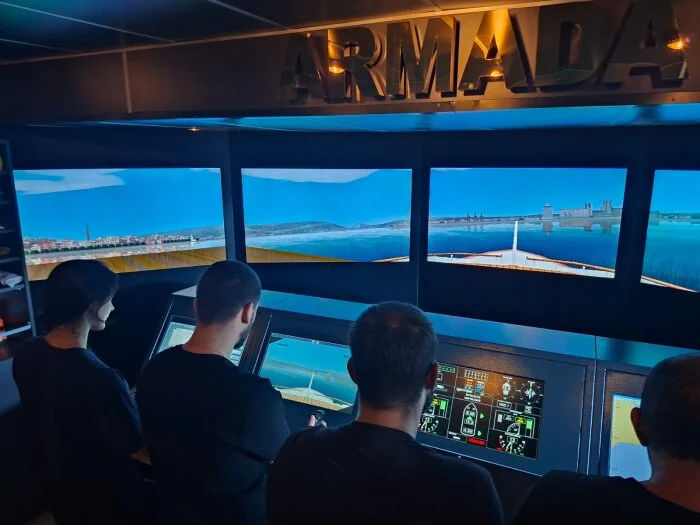
Under the STCW Convention and Seafarers Regulation, all seafarers serving on ships must complete Security Familiarisation and Security Awareness Training. Seafarers attending this course are advised to take the Combined Security Duties course, which brings security training together.
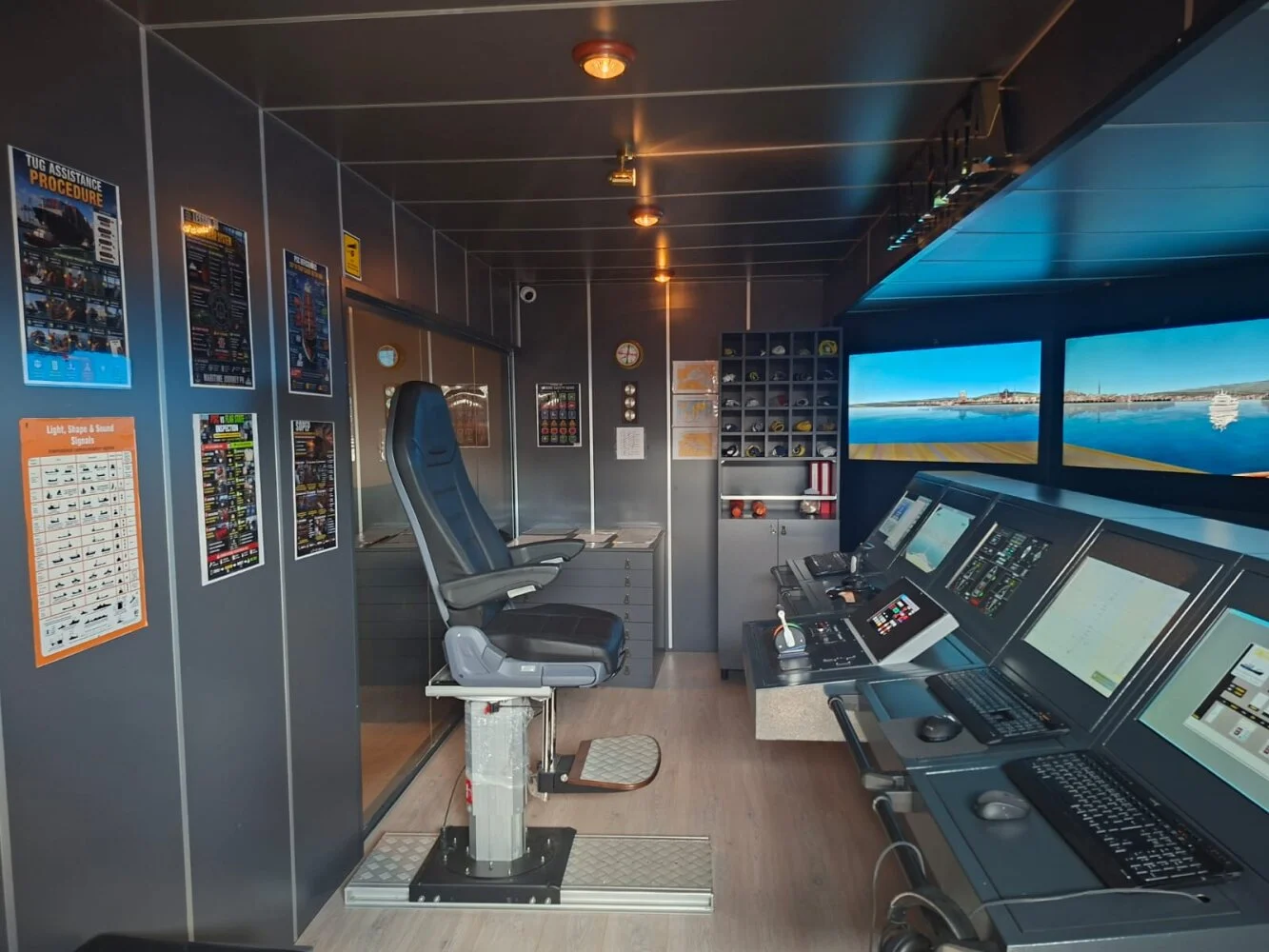
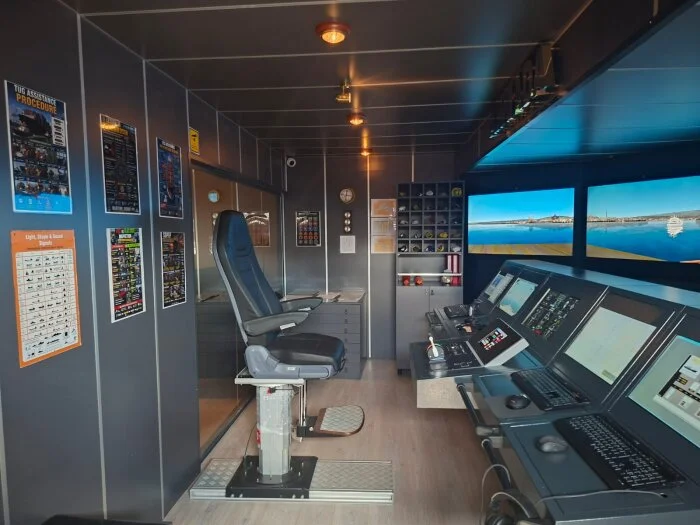
Under the STCW Convention and Seafarers Regulation, all seafarers serving on ships must complete Security Familiarisation and Security Awareness Training. Seafarers attending this course are advised to take the Combined Security Duties course, which brings security training together.
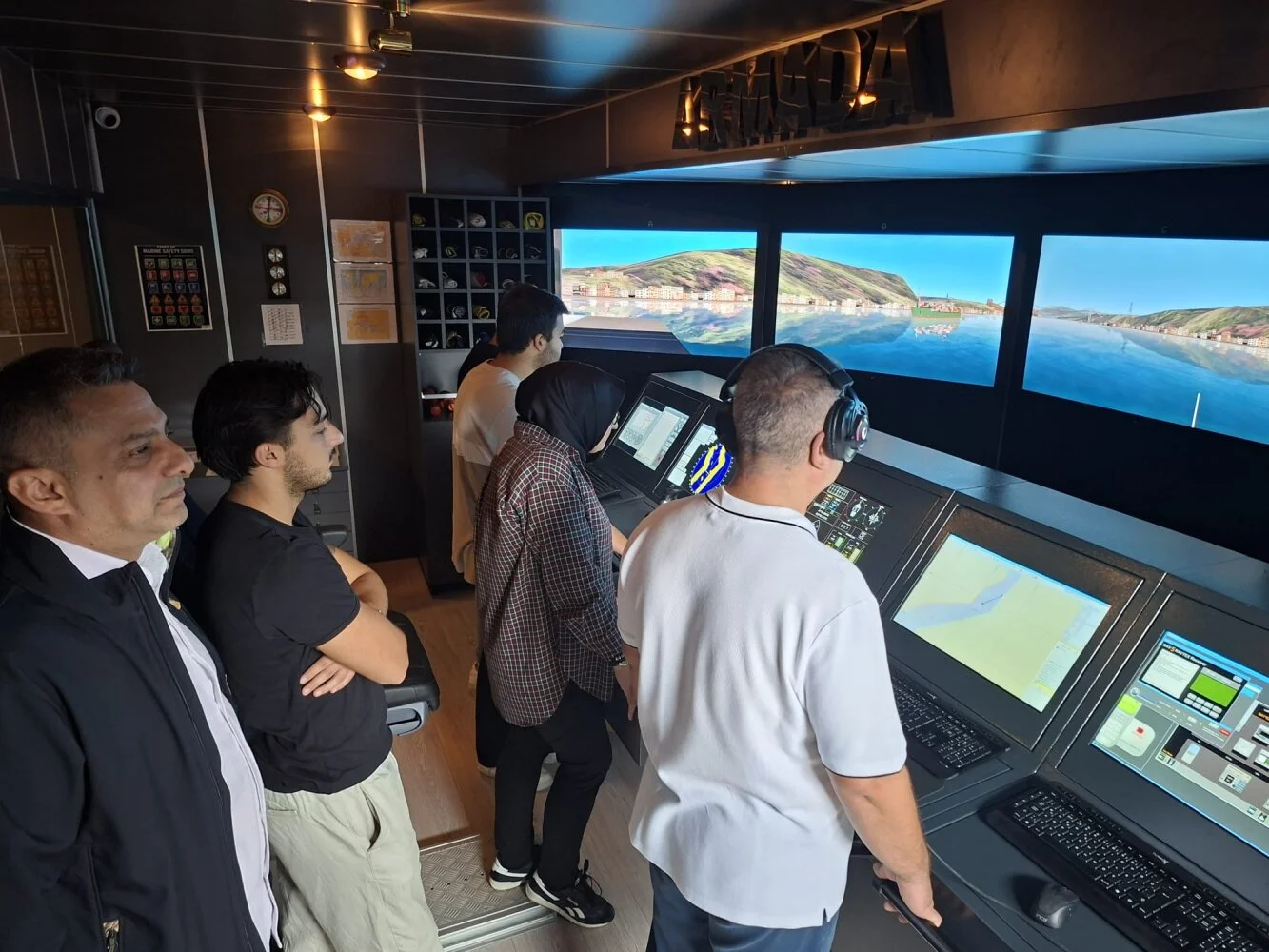
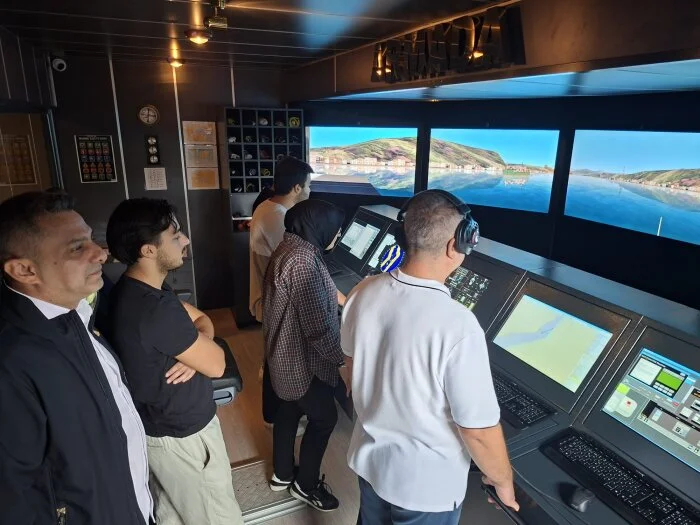
Under the STCW Convention and Seafarers Regulation, seafarers assigned specific security duties on board must complete Training for Seafarers with Designated Security Duties in addition to Security Familiarisation and Security Awareness Training. Seafarers attending this course are advised to take the Combined Security Duties course, which brings security training together.
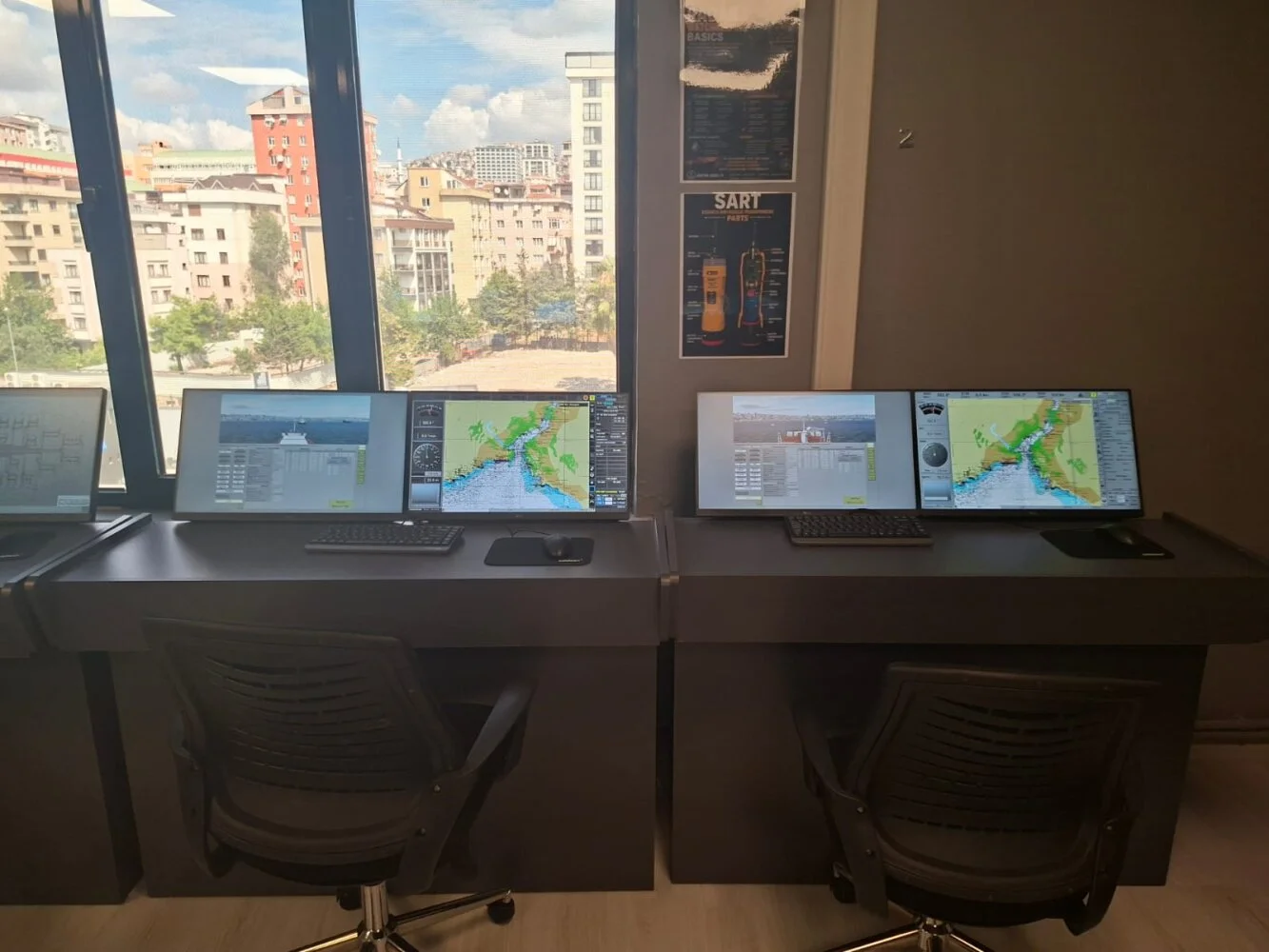
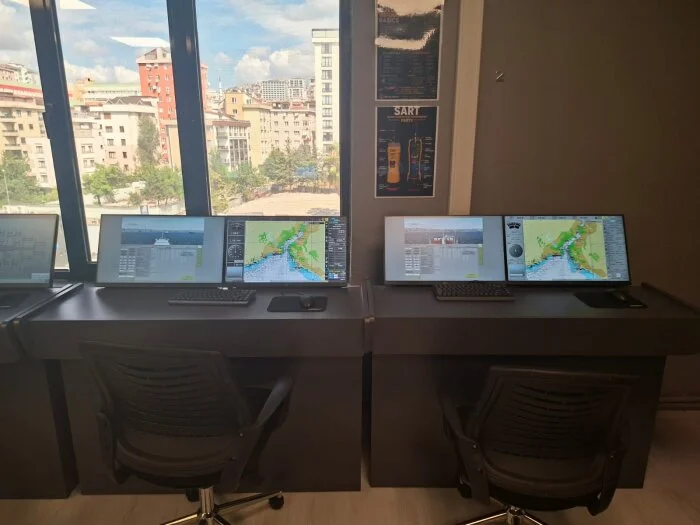
The ISPS (International Ship and Port Facility Security) Code requires a Ship Security Officer for each ship and a Company Security Officer for the company. This course covers the curricula of both Ship Security Officer and Company Security Officer training and is designed to meet these needs comprehensively.
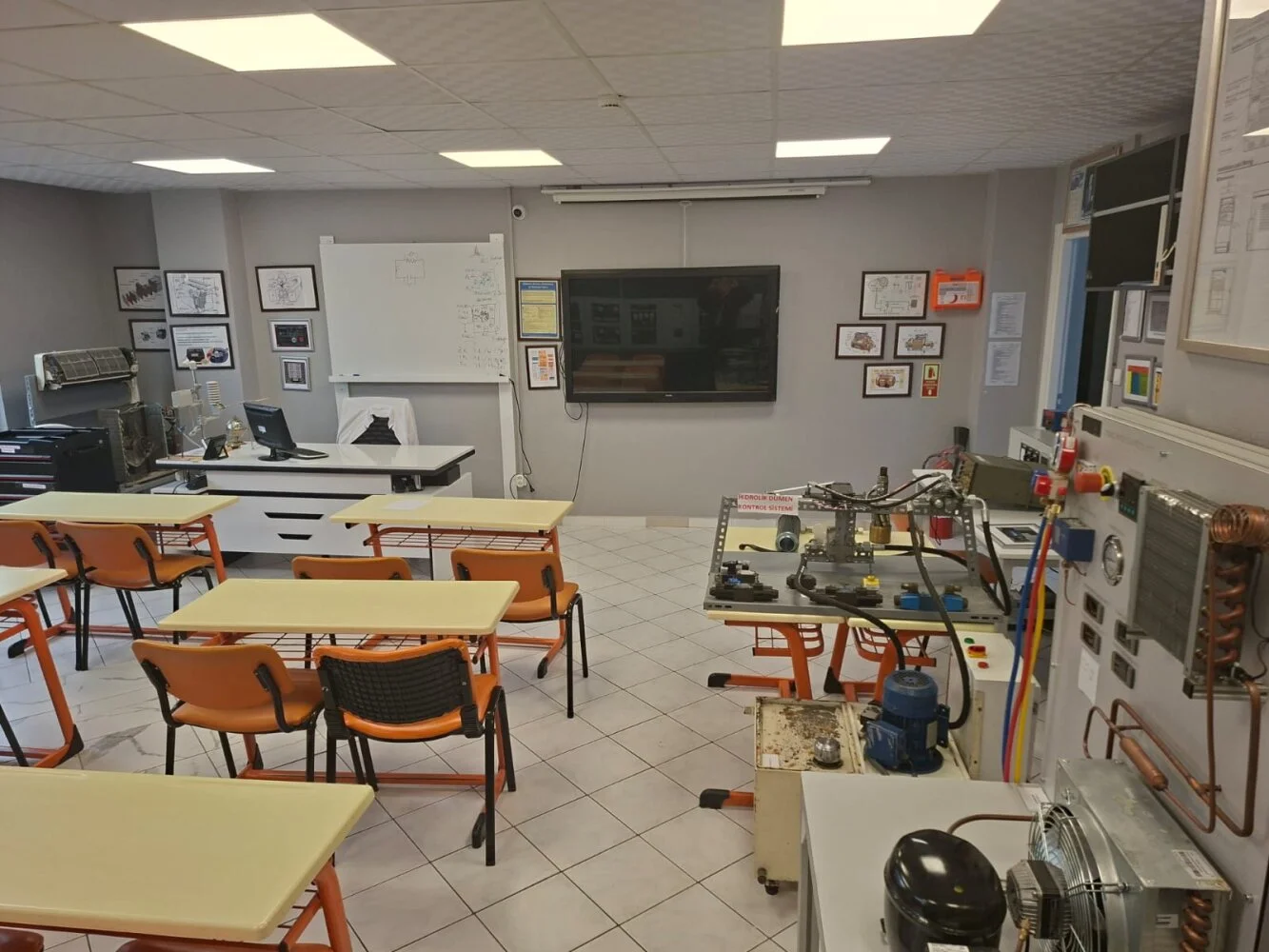
This is one of the basic training courses that all seafarers working on ships must complete, both in theory and practice, under the STCW Convention. Every seafarer obtaining a seafarer's book for the first time must obtain the Basic Maritime Safety certificates.
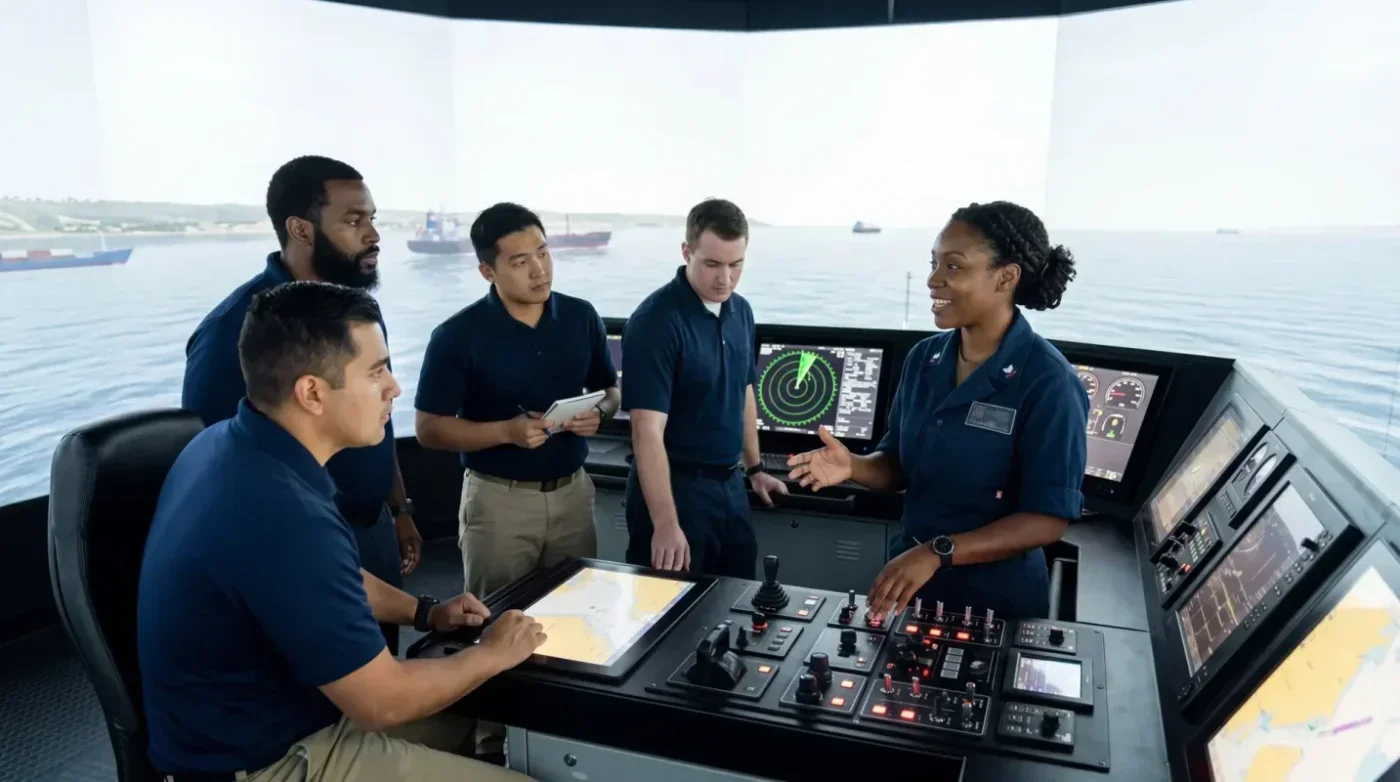
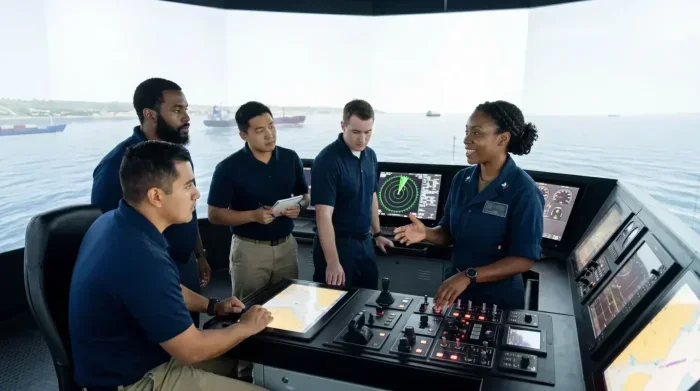
This is one of the basic training courses that all seafarers working on ships must complete, both in theory and practice, under the STCW Convention. Every seafarer obtaining a seafarer's book for the first time must obtain the Basic Maritime Safety certificates.
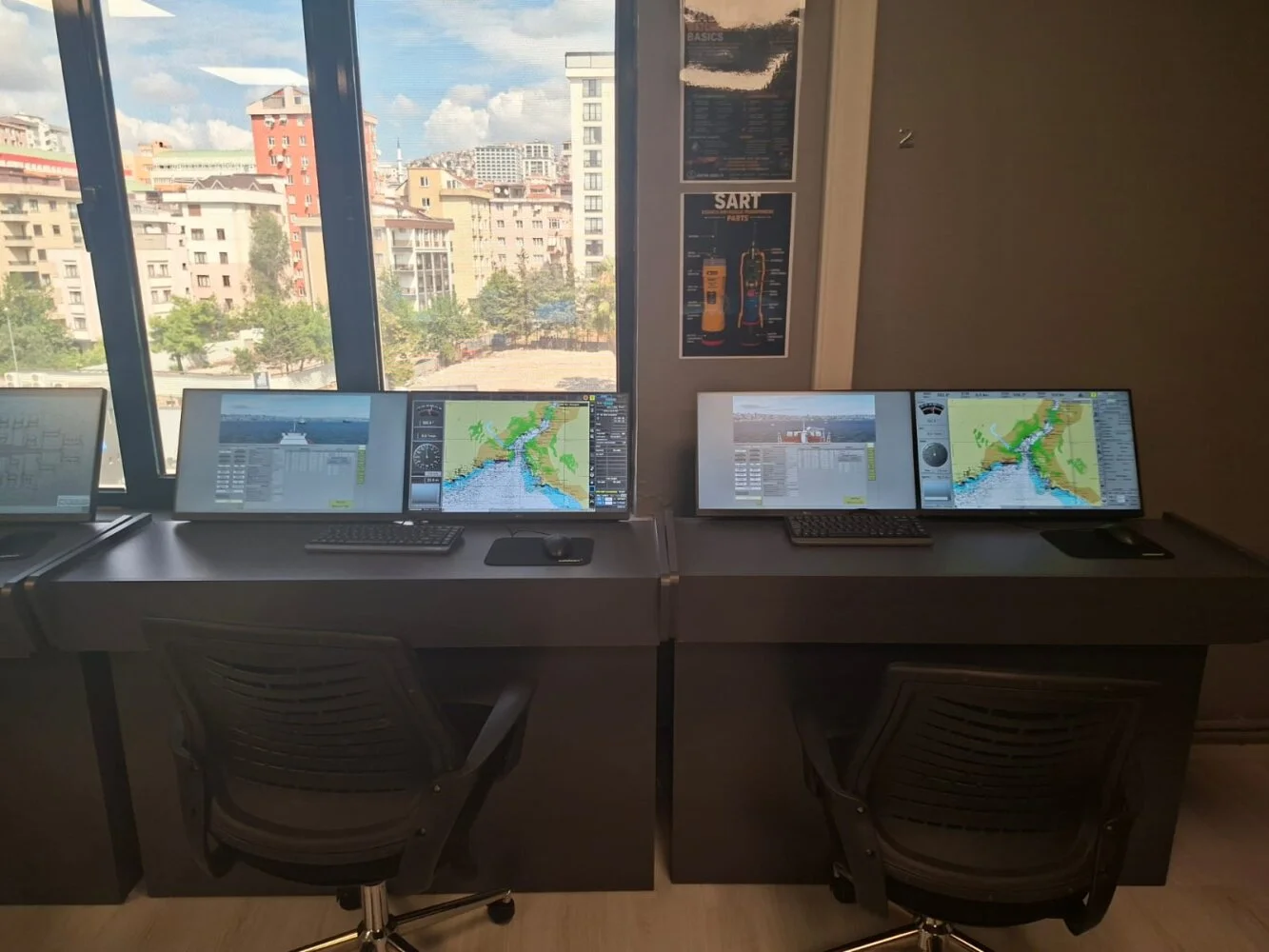
This is one of the basic training courses that all seafarers working on ships must complete, both in theory and practice, under the STCW Convention. Every seafarer obtaining a seafarer's book for the first time must obtain the Basic Maritime Safety certificates.
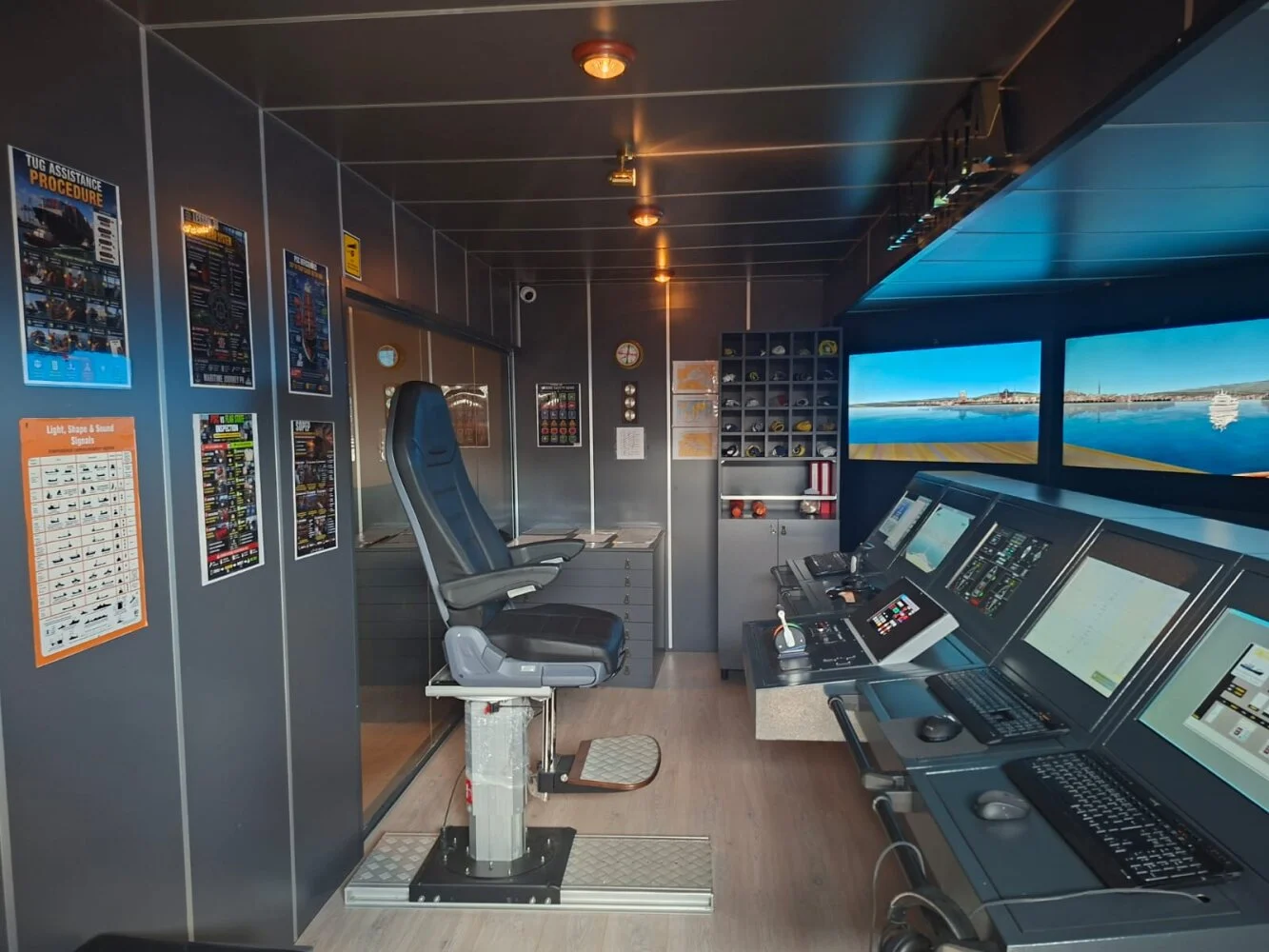
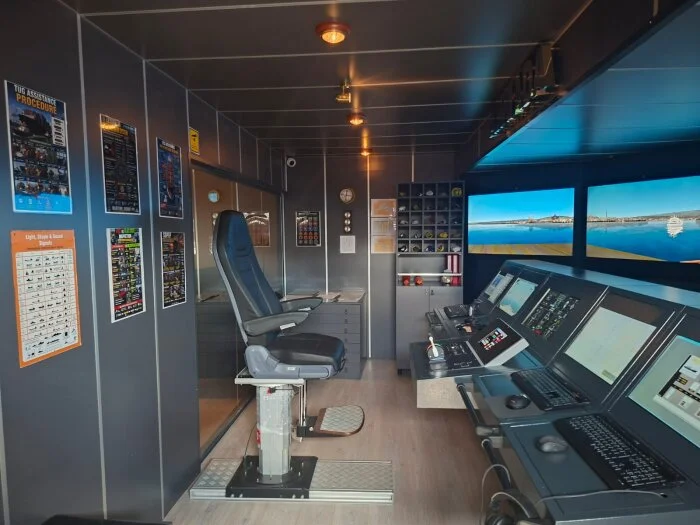
This is one of the basic training courses that all seafarers working on ships must complete, both in theory and practice, under the STCW Convention. Every seafarer obtaining a seafarer's book for the first time must obtain the Basic Maritime Safety certificates.
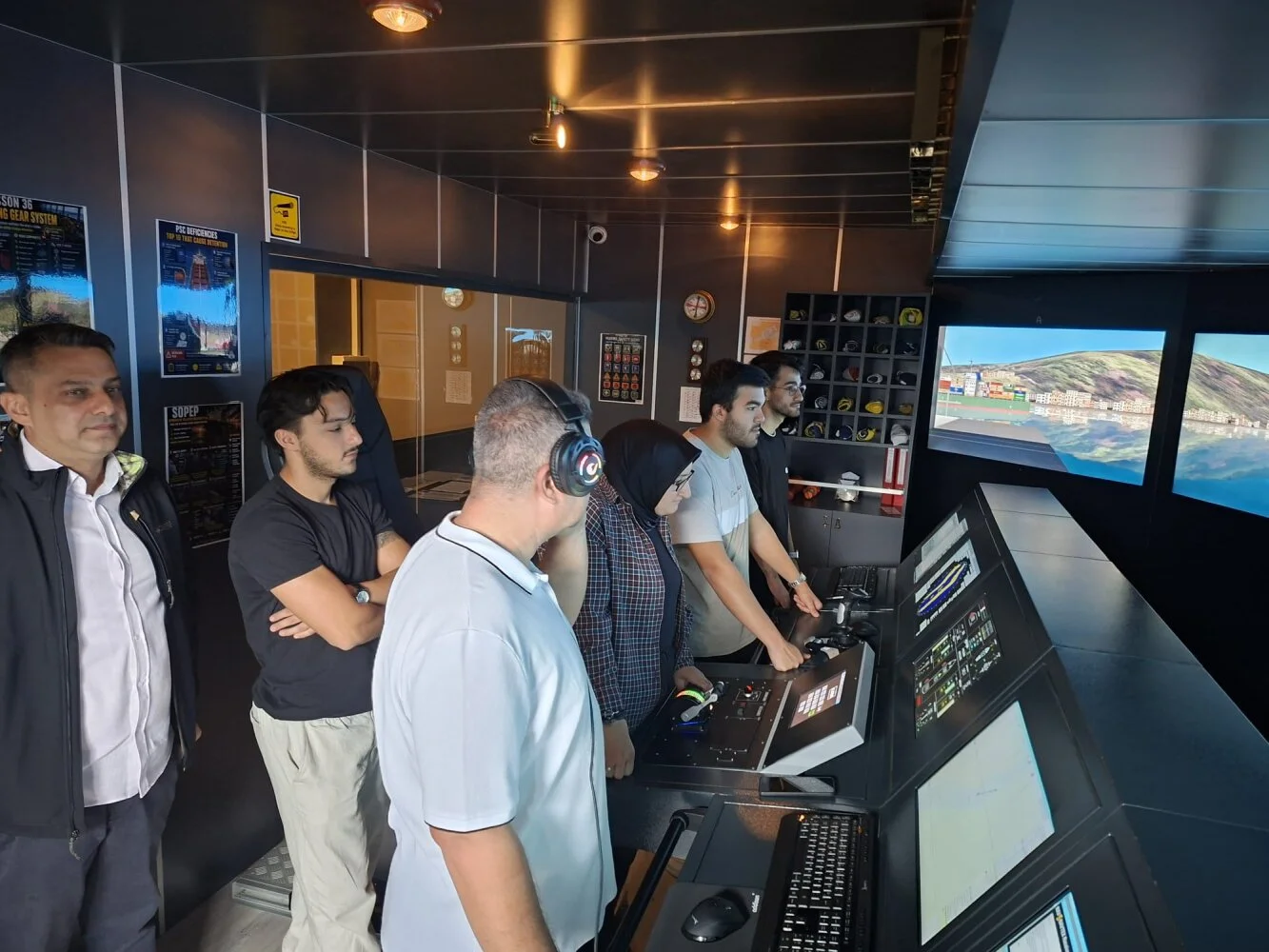
This is one of the basic training courses that all seafarers working on ships must complete, both in theory and practice, under the STCW Convention. It provides practical training for seafarers with at least 6 months of sea service in launching enclosed lifeboats and life rafts, boarding them during abandonment and operating them. Every seafarer obtaining a seafarer's book for the first time must obtain the Basic Maritime Safety certificates.
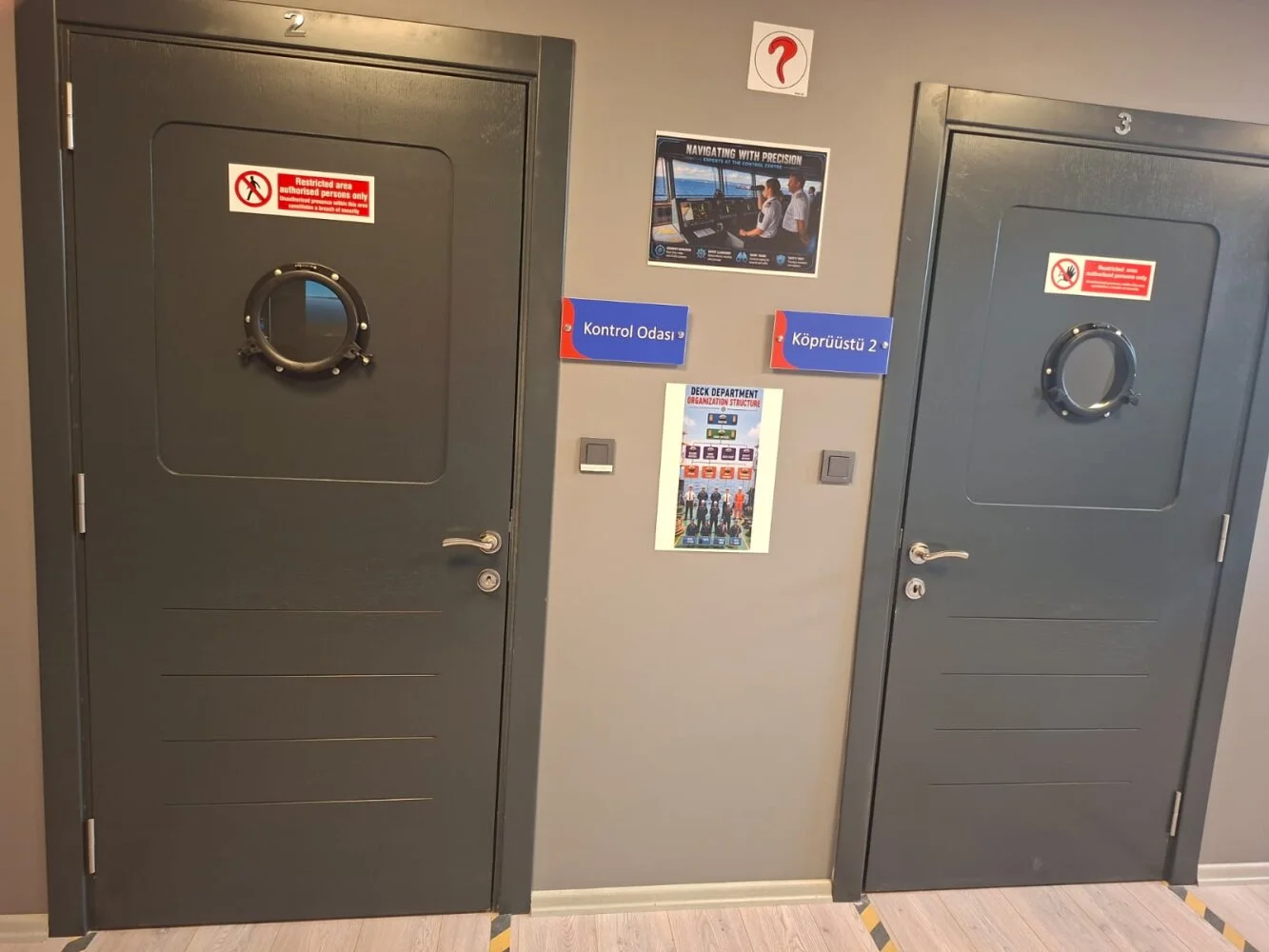
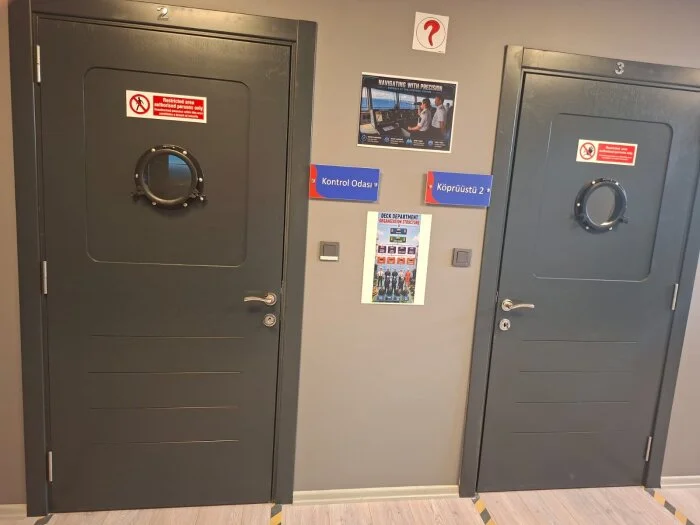
Various maritime companies incorporate sustainability and ISO 14001 certification into their company policies at their customers' request. Many regulations and technical and operational procedures are designed to minimise the impact of shipping on the marine environment. Strengthening seafarers' competence complements these measures and improves their effectiveness. Recognising the importance of the human element, the International Maritime Organization (IMO) has made pollution prevention an important part of seafarer training under the STCW requirements introduced by the 2010 Manila Amendments.
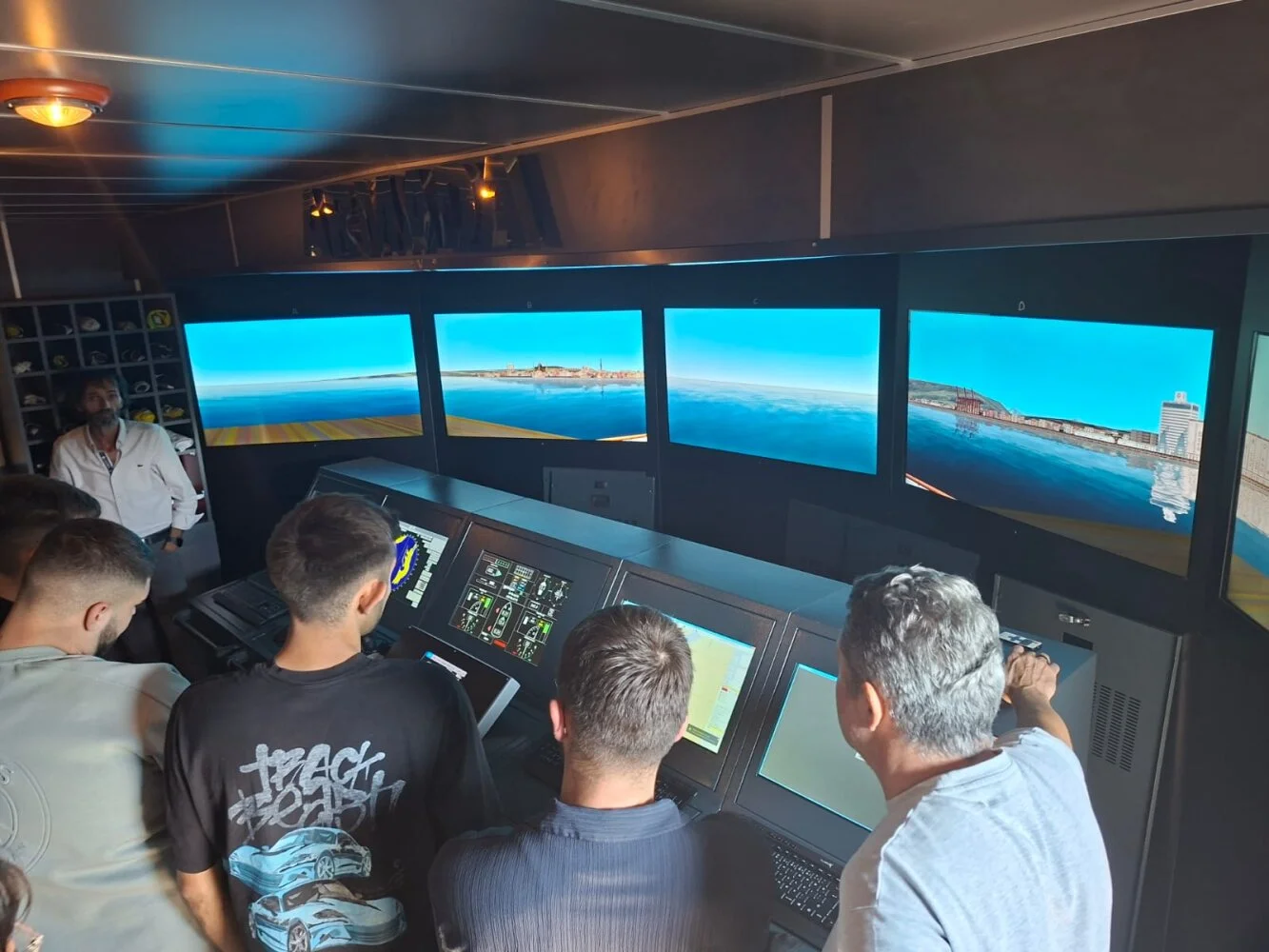
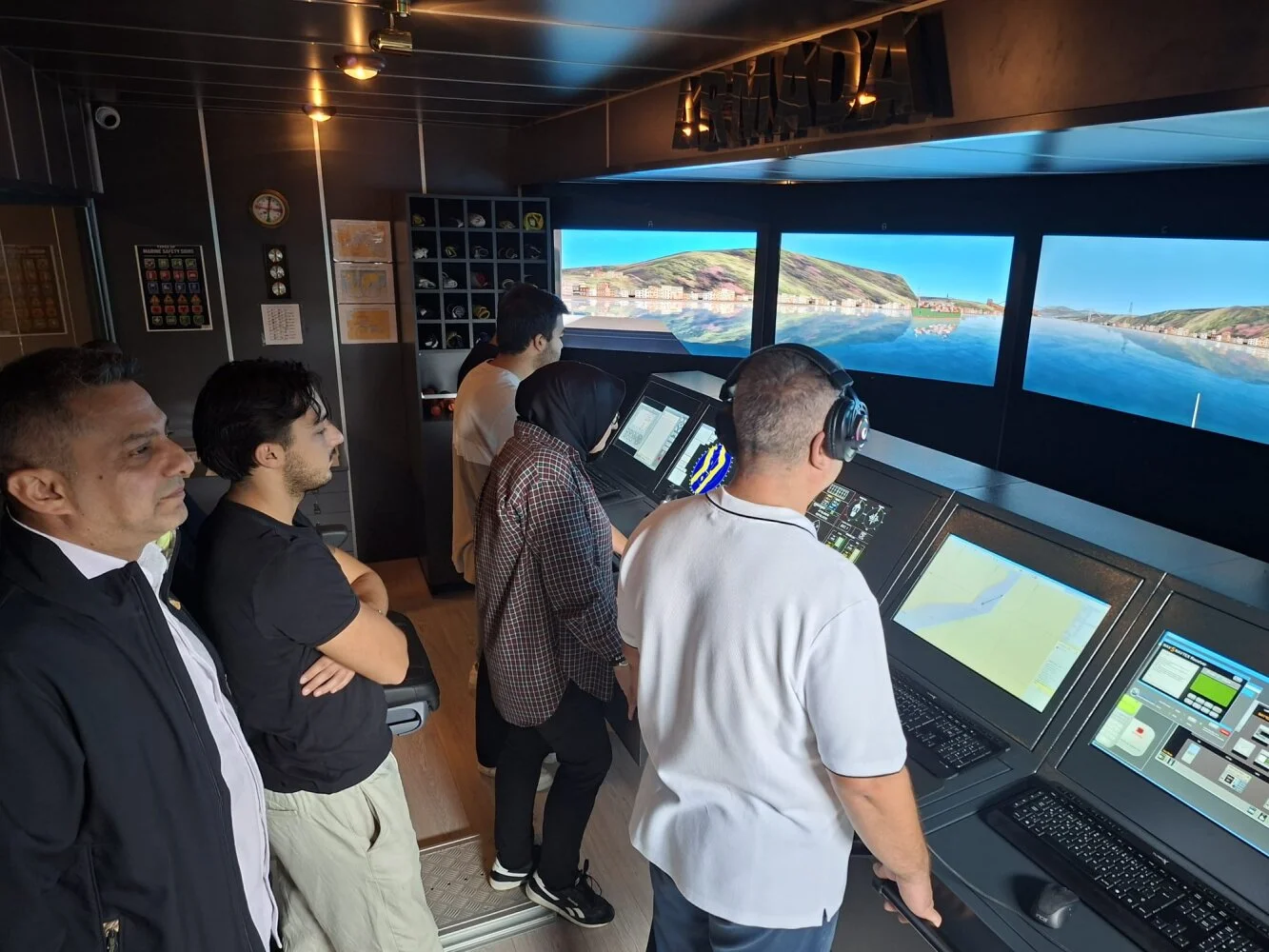
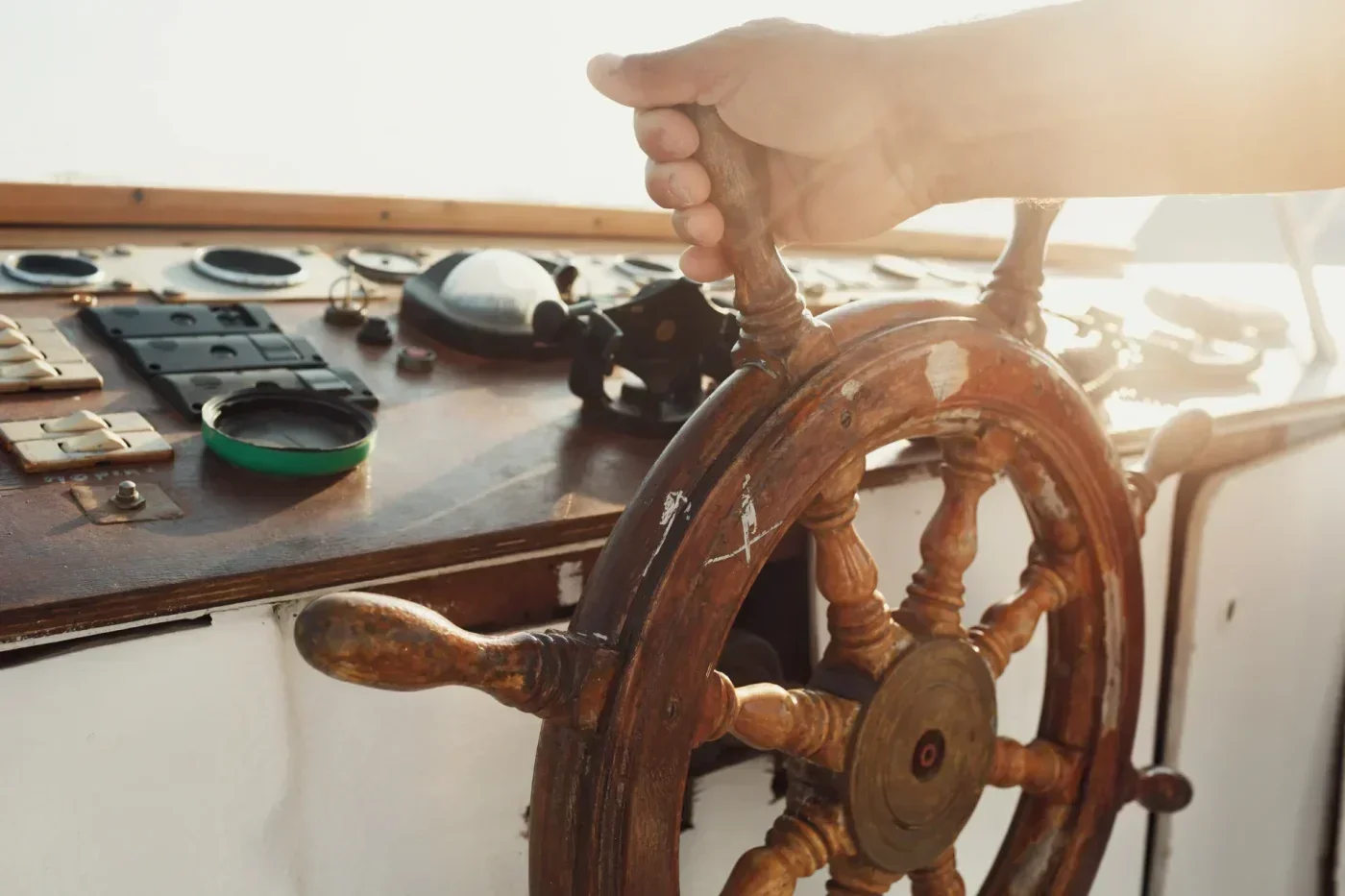
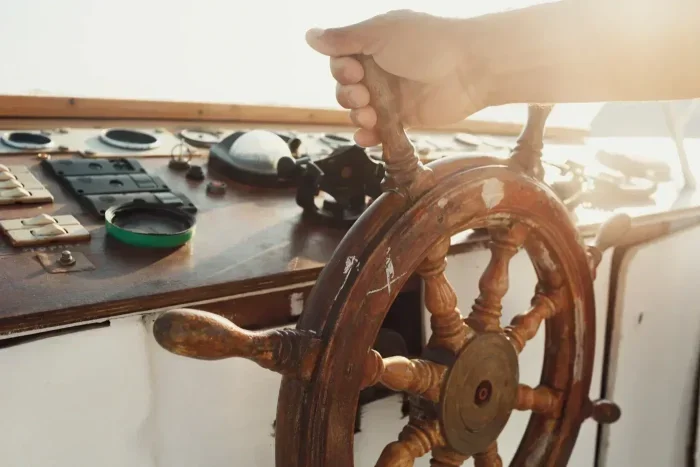
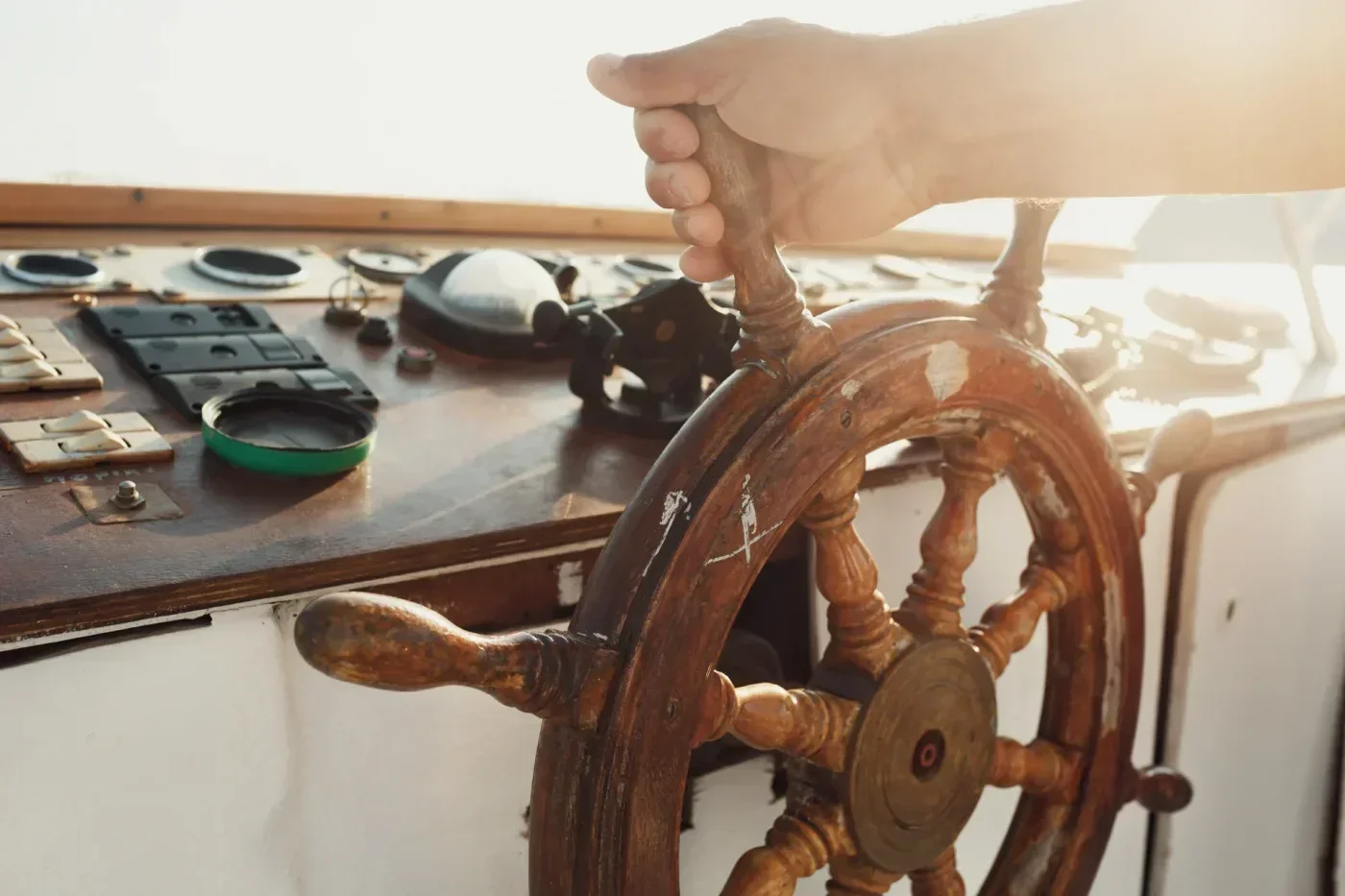
The Amateur Seafarer Certificate (ADB) allows you to operate privately registered motorboats and sailing boats up to 24 metres in length. The ADB does not permit you to operate commercial vessels or work professionally on ships or yachts.
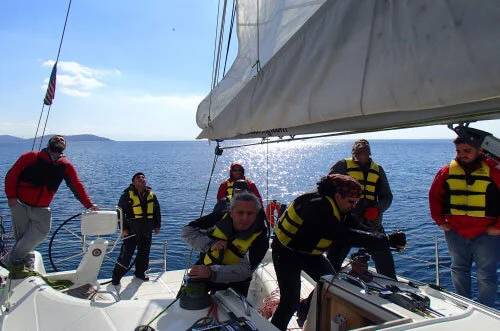
Briefly describe your needs and our team will contact you as soon as possible.
Your quote request has been received. Our team will contact you as soon as possible.